

Politics

Share
Published 14:14 10 Sept 2026 BST
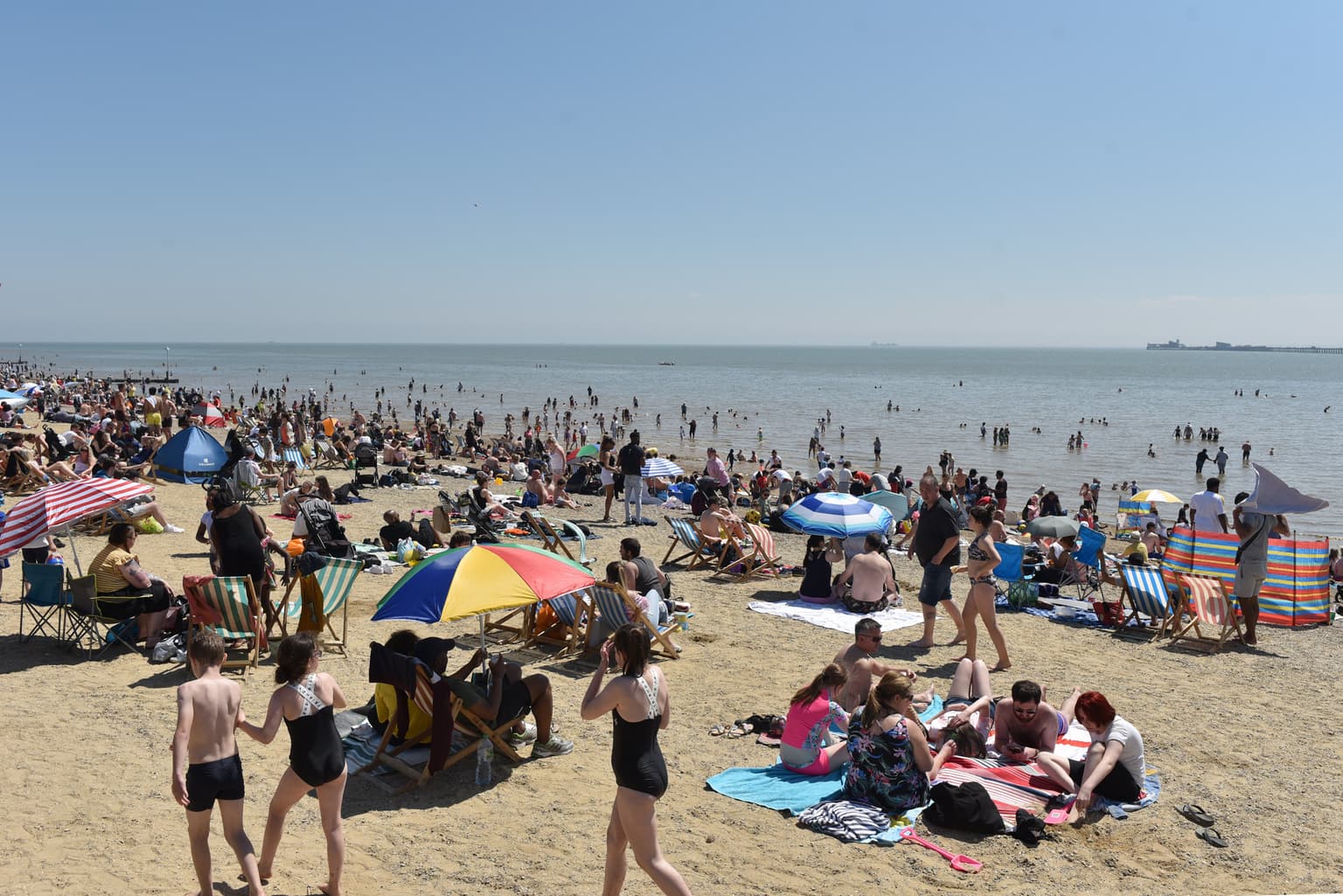
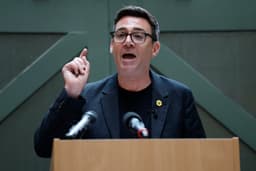
Holidaymakers could soon find themselves paying more for a stay in parts of England, as the government prepares to let mayors introduce their own tourist taxes.
The proposed charge would be added to overnight accommodation and would be controlled locally, meaning the amount could vary depending on where visitors choose to stay.
Crucially, the levy would be based on a percentage of the accommodation price. This means someone staying in a cheaper hotel would pay less than a visitor booking a more expensive room, which ministers argue would avoid putting too much pressure on people taking budget holidays.
There would apparently be no national limit on how high mayors could set the tax. However, government sources are understood to believe that local leaders would be unlikely to push the charge to an excessive level.
London is already looking at what its own version could look like, although no final decision has been made. The capital is understood to be considering a rate capped at 5% of the accommodation cost.
The proposal is not entirely new. Former prime minister Keir Starmer first announced plans for a tourist levy, following similar schemes introduced in Scotland and Wales.
Housing, Communities and Local Government Secretary Angela Rayner is expected to meet with mayors at No 10 before the government sets out more details of how the system will work on Thursday.
The proposed tourist tax is facing pushback from the hospitality industry, with businesses warning that visitors could simply decide they can no longer afford to spend as much on holidays.
Although similar charges are already used in countries across Europe, industry representatives argue that the UK’s tourism sector is already under significant financial pressure.
They fear adding another expense could reduce demand and put further strain on businesses that depend heavily on visitors.
There are also concerns about how the system would work if different areas introduced their own rules.
Tourism organisations have called for greater consistency between regions so businesses and holidaymakers are not left dealing with a patchwork of different charges.
UK Hospitality has proposed a completely different approach, writing to the prime minister to suggest a “holiday bonus” aimed at helping families facing continued cost-of-living pressures.
The organisation has also raised concerns about the tourist tax introduced in Edinburgh in July. Its chief executive, Allen Simpson, claimed the charge was “already having damaging effects” and warned that communities reliant on tourism could ultimately see jobs disappear.
Speaking on BBC Radio 4’s Today programme, Simpson said, “I would say to those people in these communities that their jobs are now at risk.”
He warned that holiday parks could be particularly vulnerable, saying some may no longer be able to operate during the quieter “shoulder seasons”.
Visitors, he added, would also have less money available to spend once the additional charge had been paid.
“It will be the case that you’ll have holiday parks which can’t open in the shoulder seasons and of course people who go on holiday will just have that little bit less money in their pocket,” he said.
Explore more on these topics:
Politics
Politics
Politics
Politics
Britain’s strategic reserve is being called up for the first big war-readiness drill in years
UK veterans to be called for new military exercise in major mobilisation If you left the armed forces, filed the paperwork and never thought about it again, you may well still be in the strategic reserve, and next year’s exercise programme is about to remind you. Some veterans will be called up as part of […]
Politics
1 day ago
Full list of UK politicians Israel has banned from entering the country
It comes as Israel closed the UK consulate in Jerusalem A full list of politcians Israel has banned from entering the country has been published after Foreign Secretary Ed Miliband accused settlers of “ethnic cleansing” in the West Bank. Earlier today, Ed Miliband announced sanctions on Israeli goods produced in the West Bank saying that […]
Politics
1 day ago
Farage says Britain is a ‘complainants’ society’ as Reform funding questions mount
Politics