







News

Share
Published 12:42 7 Oct 2026 BST
Updated 13:41 7 Oct 2026 BST
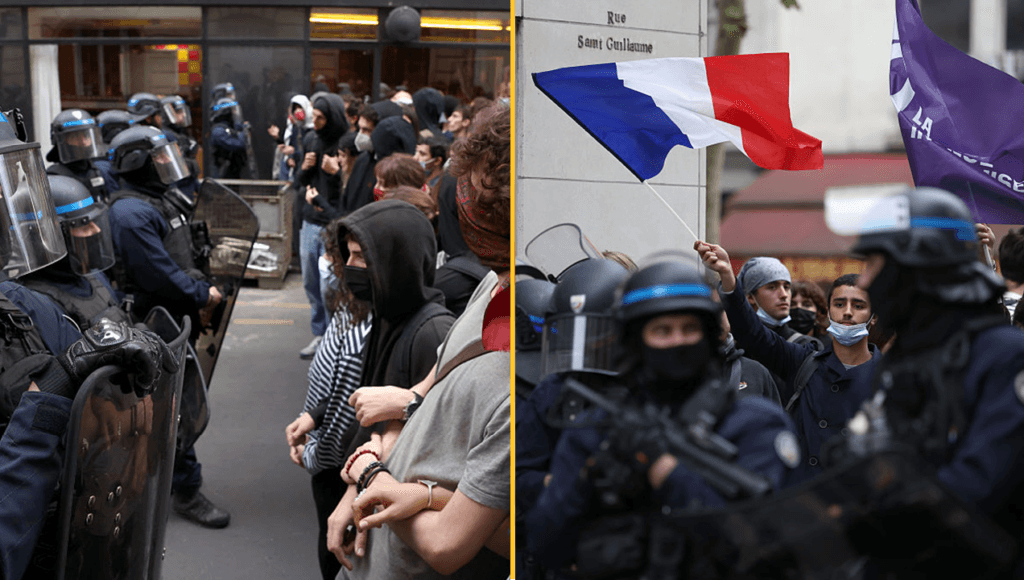
School protests in France turned violent on the biggest day of demonstrations on Tuesday (6 October), following the escalation earlier in the week.
According to protest organisers, they are set to continue as between 150,000 and 200,000 are due to take the streets on Wednesday across the country.
The demonstrations started in mid-September, as students are angry about conditions in French secondary schools and proposed budget cuts.
The French high school students' union says the number of protesters on the streets across the country has “reached a new record” on Tuesday.
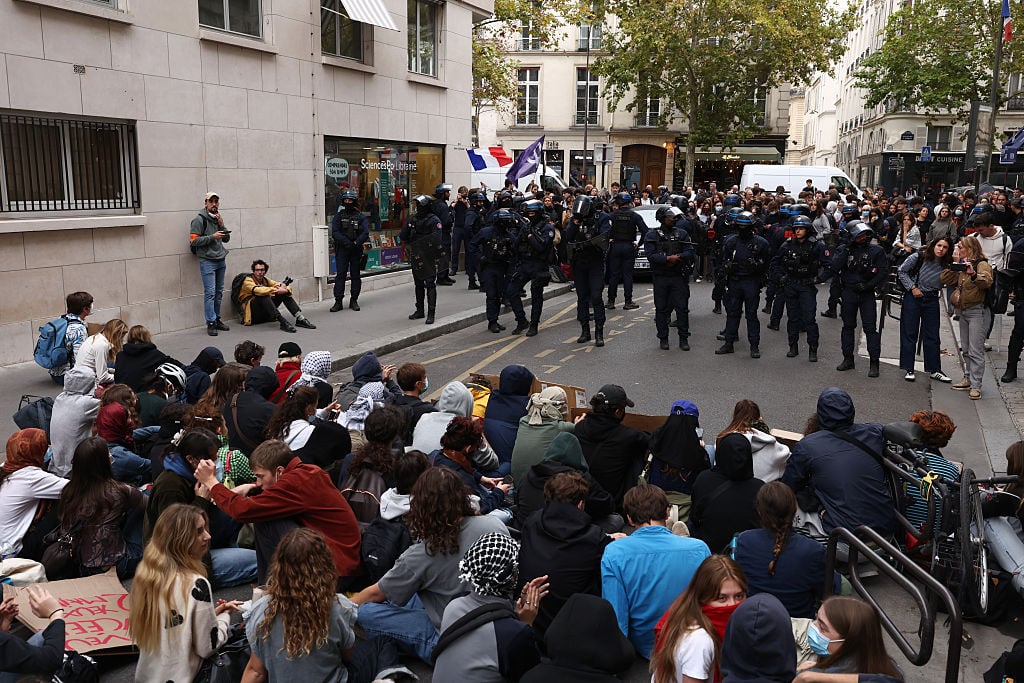
Nationwide student protests and violent school riots have disrupted over 700 secondary schools and led to roughly 5,000 arrests across France. Credit: Getty Images
While the trade union alliance reports 450,000 protesters across the country, France's interior ministry only puts the figure at 256,000.
As per the union, 1,800 of 3,700 high schools “are at a standstill” and are either blocked, disrupted or closed.
In Paris alone, up to 40,000 people were expected to be marching in the capital’s biggest demonstration yet.
As protests spread across the country, there were clashes in Paris, Strasbourg, Rennes, Lyon, Lille and other cities and towns.
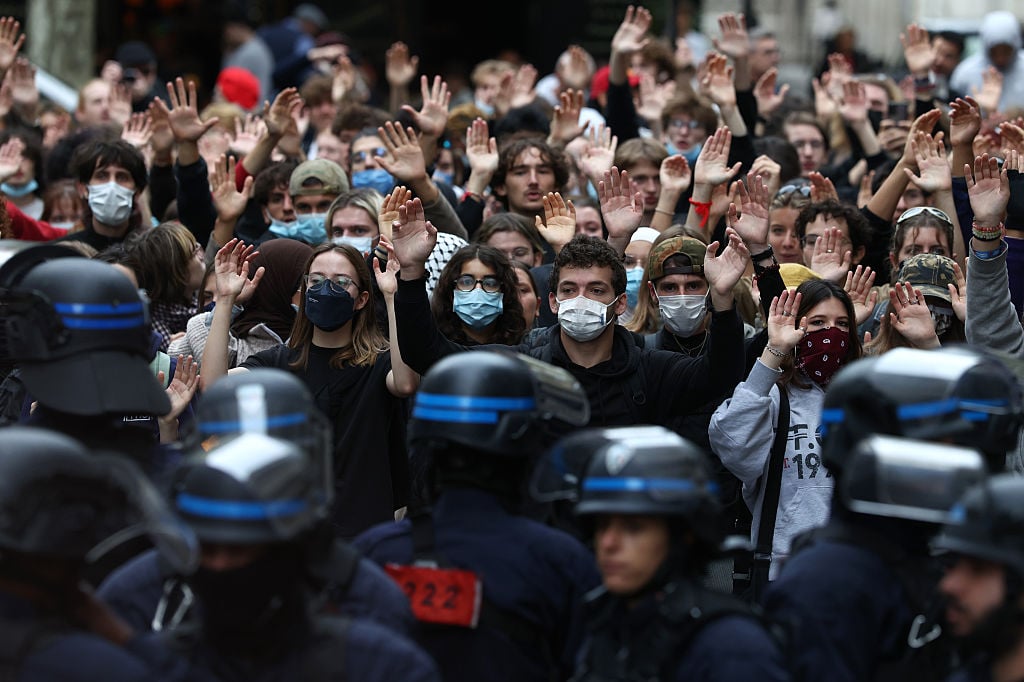
Students raising hands in front of police officers as they demonstrate in Paris on 7 October. Credit: Getty Images
Anger from students has spread over overcrowded classrooms, rats, deteriorating buildings and staffing shortages.
But it all started as a local dispute over teacher shortages at one high school in a Parisian suburb.
Since then, it has rapidly grown into a nationwide protest movement.
The students have blockaded hundreds of schools, as 215 young people and 715 police officers were hurt over the last week, while more than 6,000 arrests were made.
And what kicked off last month as peaceful blockades in the low-income Paris suburb of Seine-Saint-Denis has rapidly escalated into a major public order crisis for President Emmanuel Macron's government.
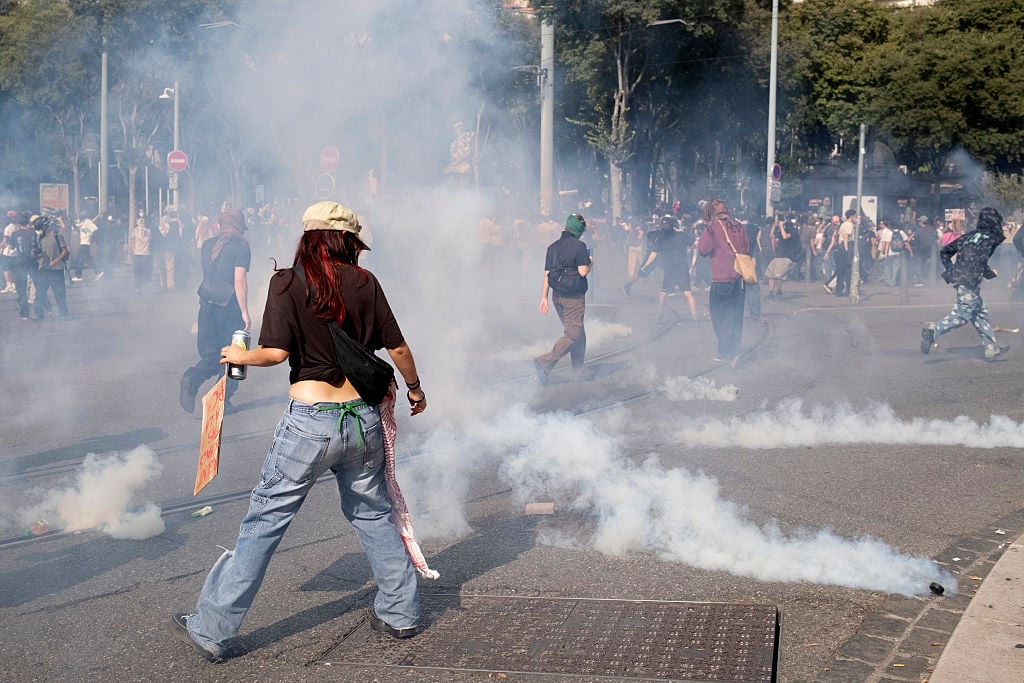
Police using tear gas against protesters in Reformes Square in Marseille (6 October). Credit: Getty Images
The student-led unrest comes at a particularly sensitive time for politics in France, as politicians from the party France Unbowed (La France Insoumise) are seeking to present themselves as allies and patrons.
The party was founded in 2016 by Jean-Luc Melenchon, a former journalist, who has since become the face of the French hard left, compared to Jeremy Corbyn and Bernie Sanders, according to Sky News.
In spite of his age, the 75-year-old is popular among young voters and could even reach a run-off against Marine Le Pen in next year's presidential elections.
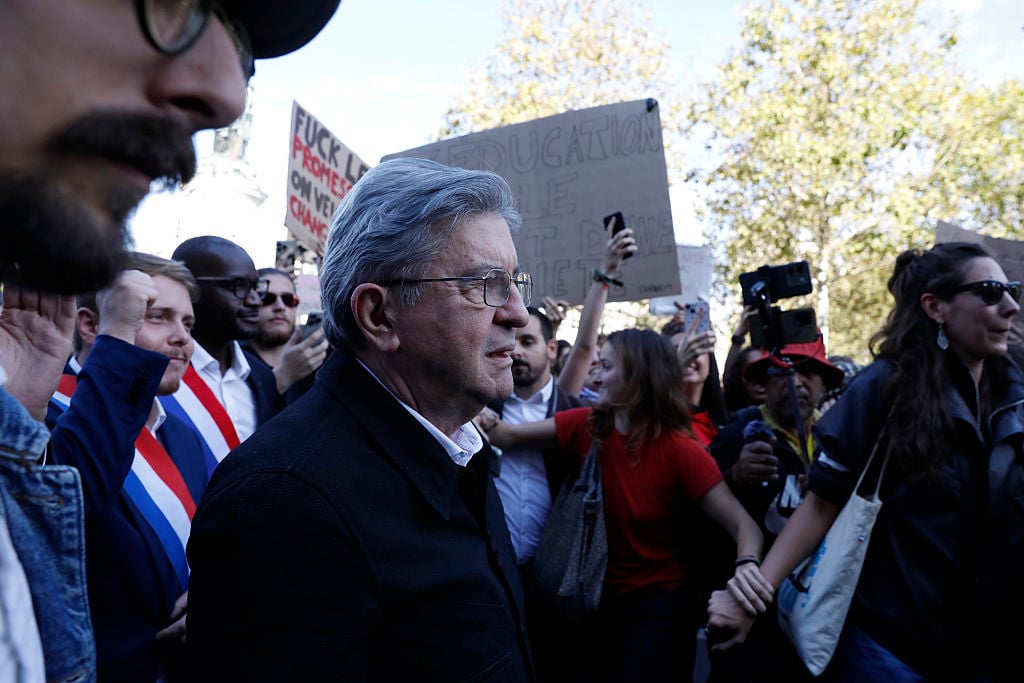
Candidate in France's 2027 presidential election Jean-Luc Melenchon arriving at the start of a demonstration in Paris on Tuesday. Credit: Getty Images
Melenchon, a left-wing candidate in next year's French presidential election, responded to Donald Trump's criticism of the violence on the streets.
For giving Trump a “distorted version of events”, he blamed far-right leader Marine Le Pen, the current favourite to succeed Emmanuel Macron as France's president next year, as he cannot run for another term.
According to the French Constitution, a president is limited to serving two consecutive terms, and Macron was elected in 2017 and reelected in 2022, with his current mandate ending in May next year.
News
News
News

News
Royal Mail expected to cut up to 2,500 jobs
It comes as part of an ‘organisational review’ Royal Mail is expected to cut up to 2,500 jobs, it has been reported. Sky News said that up to 2,500 Royal Mail employees could lose their jobs under an ‘organisational review’ which was announced by the company. The cuts are expected to affect Royal Mail’s head […]
News
1h
Beloved British comedy characters officially returning after decades away
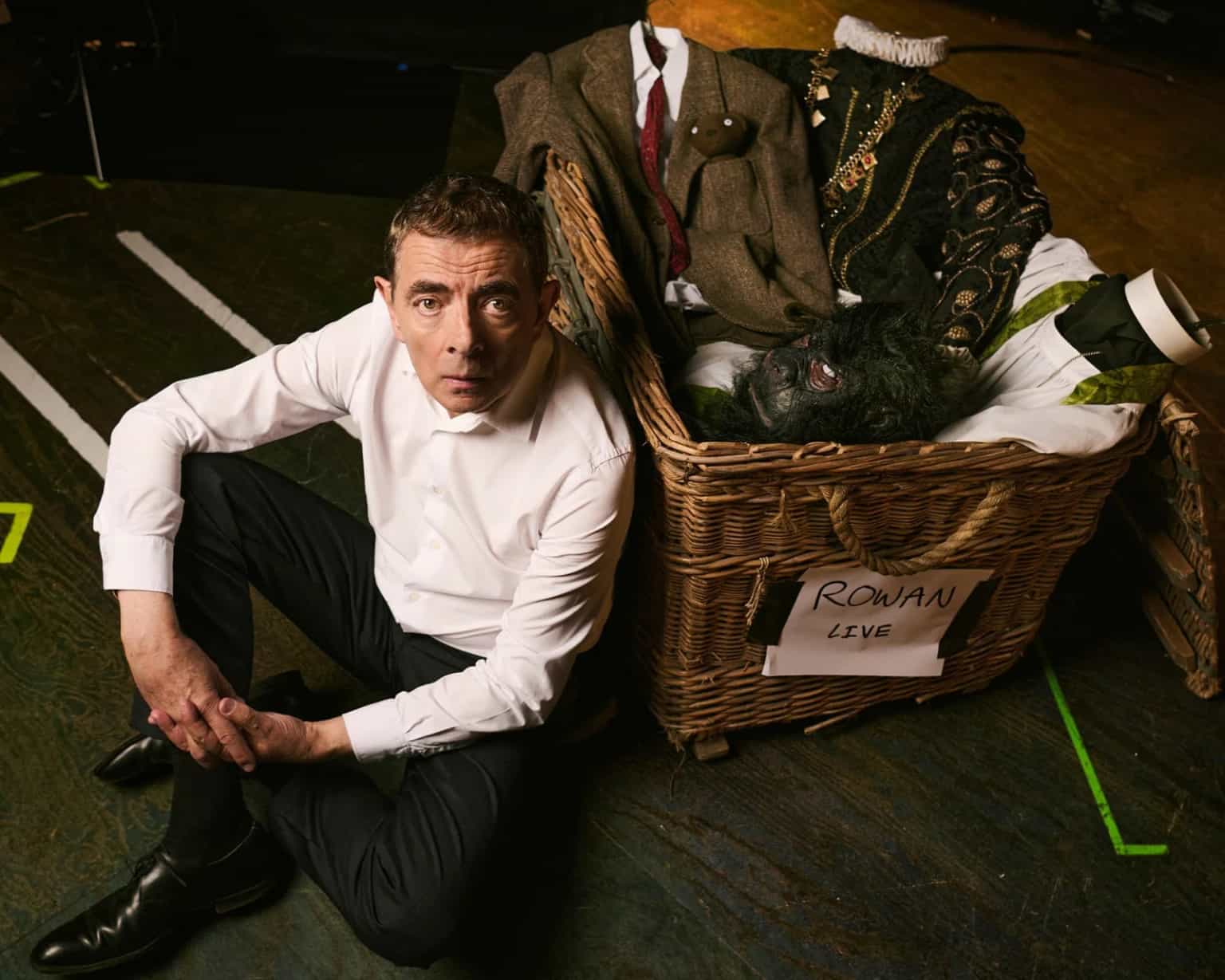
A comedy legend is returning to the West End Mr Bean is putting the suit back on and Blackadder is returning to the stage, with Rowan Atkinson bringing some of his best-known characters back for a new West End run. Atkinson, now 71, will revisit both characters in Rowan Live, alongside sketches from other points […]
News
2h
UK health officials issue plague risk update following Russian lab death
News