





News

Share
Published 18:44 21 Nov 2025 GMT
Updated 18:44 21 Nov 2025 GMT
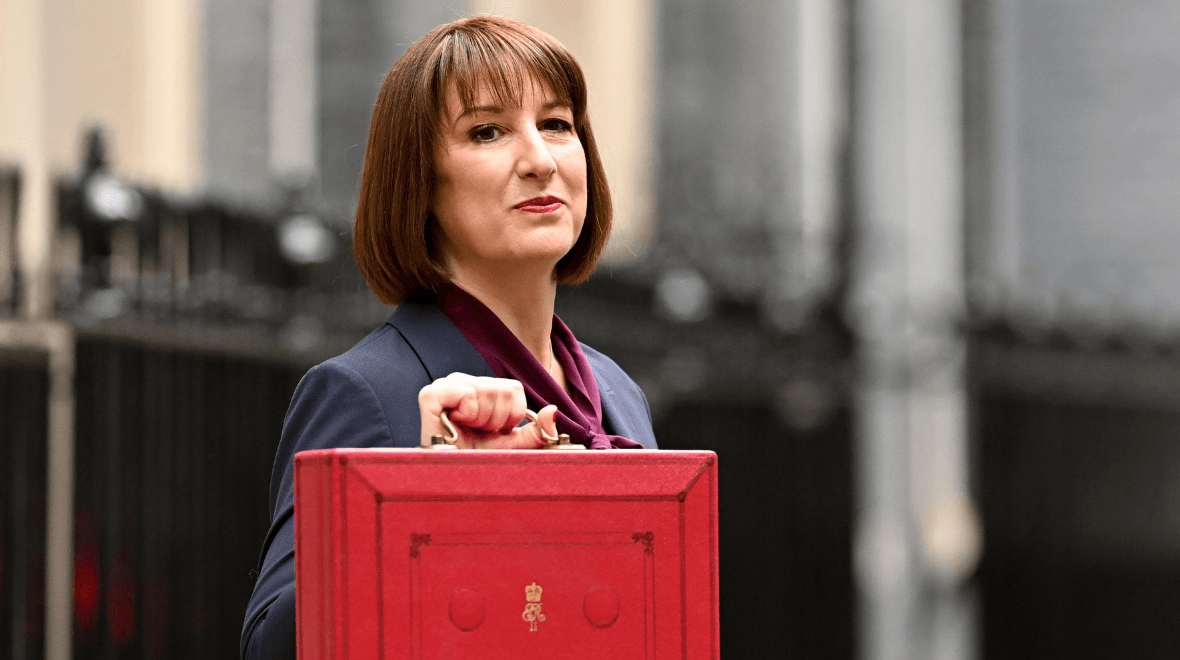
Here's what the Reeves' Autumn Budget could look like after income tax U-turn.
With this month's upcoming Budget right around the corner, Sir Keir Starmer and Rachel Reeves have hinted at tax rises in this month's Budget.
After weeks signalling a possible U-turn on their no-income-tax-rise pledge, the prime minister and chancellor have now dropped the idea.
Sky News reporter, Beth Rigby, revealed that ministers had considered raising the basic income tax rate by 2p and cutting national insurance for the same earners, but dropped the plan over fears of public and MP backlash.
So here's what could actually be expected:
Income tax thresholds frozen
Rachel Reeves may freeze thresholds for two more years, raising about £8 billion and the Financial Times has also reported that revenue could come from lowering thresholds while keeping rates unchanged.
Freezing thresholds incurs fiscal drag.
Effectively, tax bands stay the same despite inflation while wages go up, meaning more of people's wages are paid into a higher tax bracket.
Pensions
Tax-free pension sacrifices may be capped at £2,000 a year and excess contributions would face standard National Insurance (NI) rates.
Changes to pension NI could cost high earners and their employers thousands, while lower earners see little impact.
Those on £100,000–£125,140 may be hit hardest due to salary sacrifice schemes.
Inheritance tax
Inheritance tax is the tax one pays on what someone leaves behind when they die.
The Treasury is reportedly considering a £100,000 cap on tax-free lifetime gifts and extending the current seven-year rule,
Taper relief , the tax discount for living at least three years after giving a gift, is also reportedly under review.
LLPs
The chancellor may introduce a charge on LLPs (Limited Liability Partnerships), which is a business structure where partners share profits but have limited personal liability concerning the company's debts.
It is used by around 190,000 self-employed professionals who often use the method to exempt themselves from National Insurance.
The proposed change would supposedly raise £2 billion.
VAT
Reeves may raise VAT or cut reduced rates on essentials and could lower the business threshold, though this risks higher inflation.
Stamp duty and council tax
The Treasury is reportedly considering a new tax on home sales over £500,000, paid by sellers, and exploring a local property tax to replace council tax.
Landlord National Insurance
The chancellor may apply an 8% NI rate to landlords’ rental profits, currently largely exempt, potentially raising £2.3 billion a year.
ISAs
The chancellor may cut the cash ISA limit from £20,000 to £10,000 to encourage stocks and shares ISAs, while introducing a 'British ISA' with an extra £5,000 tax-free allowance for UK shares.
Fuel duty/EVs
Fuel duty has been frozen since 2011, with a 5p-per-litre cut from 2022 set to continue until March 2026, but the chancellor could raise it by up to 3p per litre.
Electric and plug-in hybrid vehicles may face a 3p-per-mile tax from 2028, averaging £250 a year, based on estimated miles rather than electronic tracking, while van drivers would be exempt.
Motability
The chancellor considered tightening eligibility for the Motability scheme, which could save £1 billion, but no changes will happen until next year, says Social Security Minister Sir Stephen Timms.
Gambling tax
Raising taxes on online casinos, slot machines, and high-stakes betting could generate £3.2 billion a year, with support from Gordon Brown.
Wealth tax
Calls for an annual wealth tax on high-asset individuals have grown, but the government says it is not under consideration.
Mansion tax
The chancellor may introduce a 1% annual tax on property values above £2m, and a possible capital gains tax on the sale of high-value homes over £1.5m, affecting around 120,000 homeowners.
Energy bills
Reeves is reportedly considering cutting the 5% VAT on energy bills to zero, which could save households £80 a year but cost £2.5 billion to implement.
Explore more on these topics:

News
News

News
News
Polling reveals how Scotland, Wales and Northern Ireland would vote in referendums
It comes as leaders signed an agreement of cooperation on Monday Leaders of Scotland, Wales and Northern Ireland have signed an agreement of cooperation today in Cardiff calling on the “right to self-determination”. The leaders of the SNP, Plaid Cymru and Sinn Fein also called for the UK government to “prepare for, plan and facilitate […]
News
18h
Deep-fried food is being banned from school dinners in England
What changes on the school dinners menu School dinners in England are getting their biggest overhaul in more than a decade, and the deep fat fryer is the headline casualty. Under a new framework of school food standards, deep-fried food will be banned outright, while fresh fruit and vegetables will be boosted, and fibre and […]
News
18h
Reform land second £36m donation in the space of 24 hours
News