









News

Share
Published 13:23 23 Nov 2026 GMT
Updated 13:24 23 Nov 2026 GMT
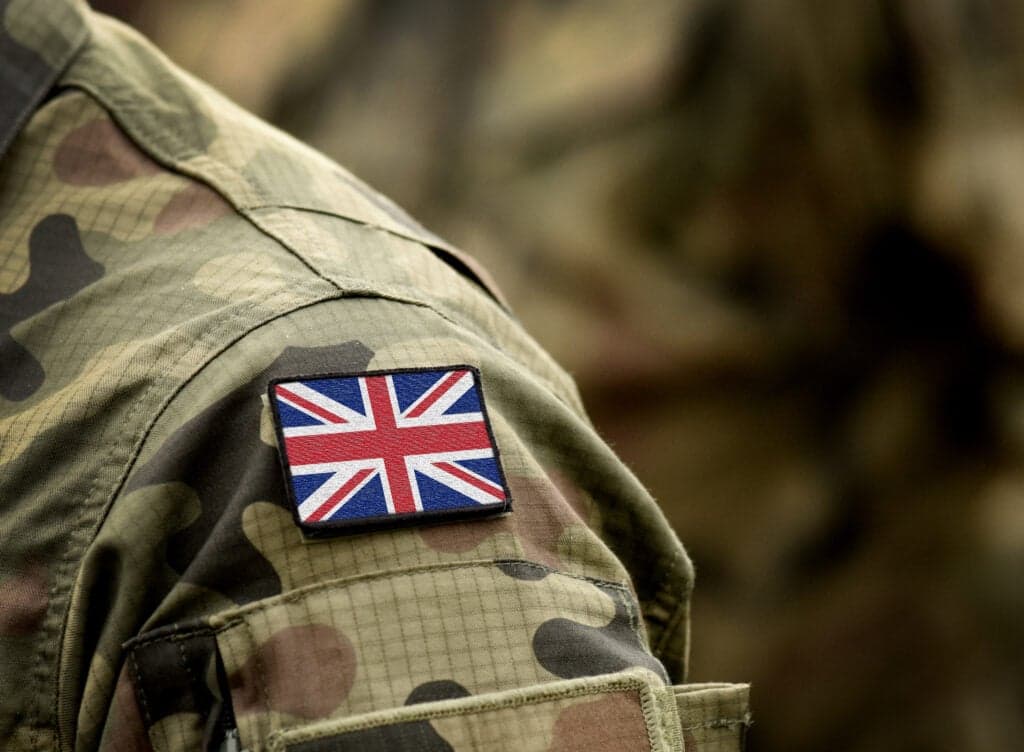
How prepared is Britain for a war or a major national emergency? According to a new parliamentary report, the government has yet to provide convincing evidence.
A House of Lords committee has warned that ministers have failed to demonstrate whether the UK meets seven key civil preparedness requirements agreed by NATO members in 2016.
And these requirements go well beyond military equipment and soldiers.
They cover everything from keeping the lights on and ensuring food and water supplies to maintaining hospitals, transport networks and communications during a crisis.
According to the UK Defence Journal, the House of Lords National Resilience Committee found that the government had provided no clear evidence showing how well Britain meets these commitments.
"The Government has not demonstrated that the UK currently meets its NATO civil preparedness commitments in practice," the committee said.
It added that the lack of transparency prevented Parliament from properly scrutinising the country's readiness.
NATO's seven requirements are designed to ensure member countries can continue functioning during major emergencies, including armed conflict, natural disasters and attacks on critical infrastructure.
The committee heard evidence suggesting that some of these commitments had not been properly incorporated into essential public services.
For example, road network contracts rarely reflected NATO's preparedness requirements, while frontline healthcare workers might not even be aware of the alliance's medical expectations.
The peers have now called on ministers to publish Britain's performance against all seven requirements and explain how any shortcomings will be addressed.
However, the findings do not establish that Britain has failed to meet the requirements. The committee's central concern is that the government has not demonstrated whether they are being met.
Security Minister Dan Jarvis acknowledged that recent NATO agreements meant Britain needed to become considerably more resilient at home.
He told the committee that the government was preparing to do much more.
Officials also pointed to plans for a Home Defence Programme intended to strengthen the country's ability to withstand major threats.
The findings form part of the committee's wider report, Are we ready? Building a culture of resilience, which calls for a more coordinated approach to preparing Britain for national emergencies.
Explore more on these topics:

News

News

News
News
Anyone putting up outdoor Christmas lights warned over £35,000 risk
And there’s another potential problem: your neighbours. Christmas lights might brighten up your home, but one seemingly harmless mistake could cost you a lot of money. With the festive season approaching, millions of Brits are preparing to decorate their homes, gardens and rooftops with colourful lights. But an energy expert has warned that some common […]
News
1h
Bruce Willis’ daughter addresses criticism over ‘too intimate’ picture of her dad
‘I didn’t think farther’ Tallulah Willis has removed a photograph of her father, Bruce Willis, from social media after realising she had shared a moment that was perhaps too private to post online. The 32-year-old initially uploaded the picture to Instagram over the weekend, showing herself cuddling up to her dad as they sat together […]
News
2h

News
Wetherspoons boss Tim Martin says he’ll ban Burnham from his pubs if UK rejoins EU
News