







News

Share
Published 16:05 17 Nov 2026 GMT
Updated 16:06 17 Nov 2026 GMT
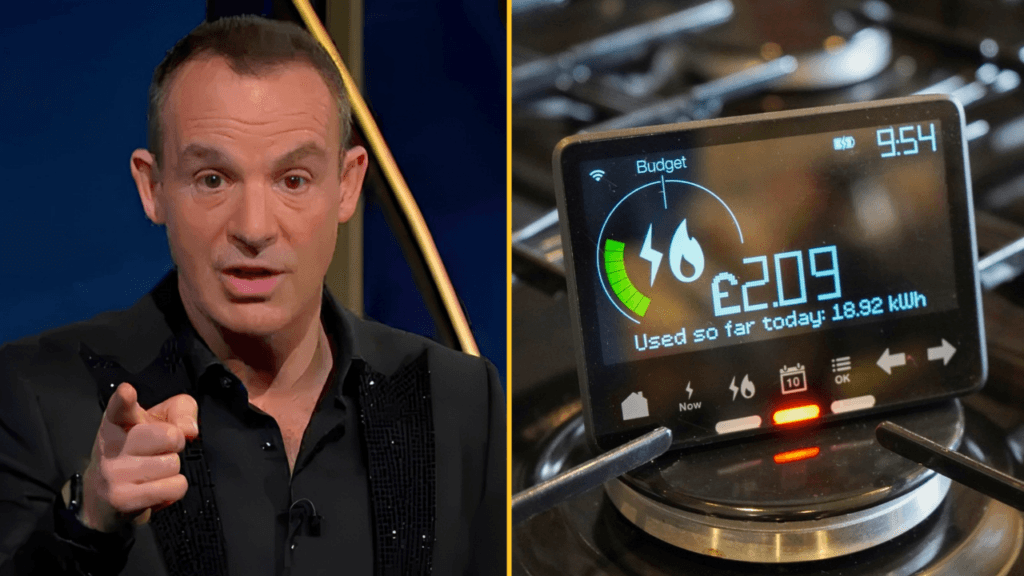
Martin Lewis has slammed Ofgem after the energy watchdog confirmed the reintroduction of the Market Stabilisation Charge which he described as "crap".
Thanks to the war in Iran and a number of other global factors - mostly finding their way back to Donald Trump - the wholesale cost of electricity has fluctuated enormously this year.
This has led to some of the highest energy bills in the UK for years, and still some of the highest in the world.
While the Ofgem energy cap attempts to keep prices in check, it continuously increases in regular intervals and only comes down with the reduction in the cost of wholesale energy prices.
So, when the cost of energy drops dramatically, you'd think this would be great for the consumer and that Ofgem would be all smiles too.
Well, that's not quite the case, as Money Saving Expert himself Martin Lewis has explained, calling the latest move by Ofgem "crap".
In a post to X on Tuesday, Lewis said: "What crap from Ofgem. It's just announced this consultation is over it is doing this exactly as planned. So now even if wholesale rates drop, consumers will be denied the full benefit when they switch"
He also called on Secretary of State for Energy Security and Net Zero Miatta Fahnbulleh to look into the charge.
The Market Stabilisation Charge (MSC) is a measure which has been reintroduced by Ofgem and effectively works as a helping hand for energy providers in the case of a large drop in market energy prices.
It was first introduced in April 2022 as a temporary tool during that energy crisis and remained in place until the end of March 2024 when it was removed.
However, in May 2026, Ofgem put the MSC condition back into suppliers’ licences in a dormant form so it could be activated quickly if needed, which is now what has been done.
The measure basically means that when you switch energy providers, the provider that you switch to who are offering a cheaper rate has to pay a certain amount of compensation to the provider you are leaving, if the price difference is beyond 10 per cent.
This is based on the wholesale energy cost built into their price-cap
Beyond this 10 per cent, the provider offering the cheaper rate pay 85 per cent of the remaining price difference.
An example used by Martin Lewis is a household who have a wholesale energy cost built into their price-cap bill of roughly £1,000 a year.
With the drop in prices, a provider who have bought energy at a lower rate might offer a deal at £800 for the year.
The first 10 per cent of this drop is charge free (£100), however, the remaining £100 gets hit with an 85 per cent charge.
This means the provider offering the cheaper deal must pay the provider being left £85 in compensation.
Ofgem argue this measure allows providers who have bought energy at a higher wholesale price to mitigate losses in a volatile market.
However, Lewis argues that all this really does is prevent providers from offering deals at significantly reduced prices as a reflection of the cost of electricity going down.
Explore more on these topics:

News

News

News

News
Pavement parking bans planned for England as first areas named
Parking outside your own home shouldn’t be complicated. Or should it? You’ve finally made it home after a long day, only to discover there’s nowhere to park. So you do what plenty of drivers do. You leave two wheels on the pavement outside your house. But is that actually legal? Well, it depends on where […]
News
2h
Russell Brand ‘to be punished’ in prison following wife’s social media rant
Laura Gallacher’s video could land her husband in trouble Russell Brand reportedly received a warning from prison bosses after his wife Laura shared a statement on his behalf Posted on Sunday, the footage showed Laura Gallacher reading a message she said had been relayed to her by Brand during a phone call. The former comedian […]
News
4h
Irish boxer Lee Reeves dies aged 31 from injuries sustained in fight
News