


News

Share
Published 17:51 8 Aug 2025 BST
Updated 17:51 8 Aug 2025 BST
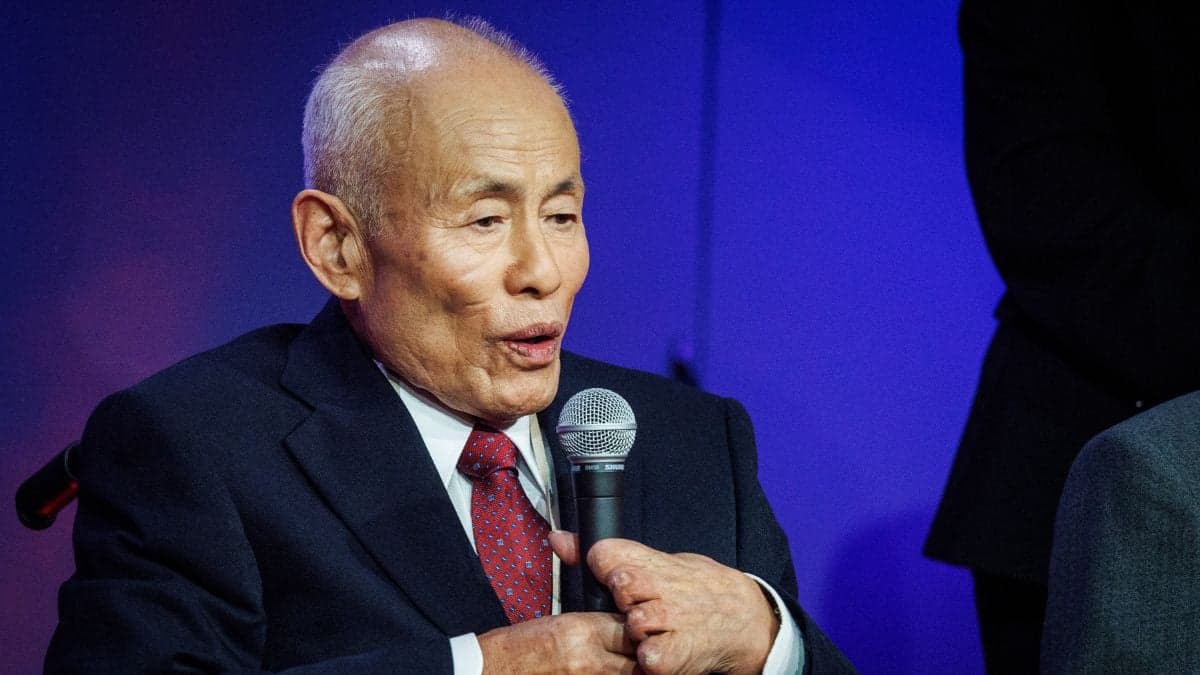
Eighty years since the bombing of Hiroshima, survivor Toshiyuki Mimaki warns the world now faces its "most dangerous" era.
Toshiyuki Mimaki is a survivor of Hiroshima's atomic bomb in 1945.
Mr Mimaki is a lifelong advocate for nuclear disarmament and, as of last year, a Nobel Prize winner.
However, with everything that's going on in the world right now, he comes with more than just stories on the 80th anniversary of the disaster; he has a message.
"Right now is the most dangerous era," he told Sky News.
"Russia might use it [a nuclear weapon], North Korea might use it, China might use it.
"And President Trump - he's just a huge mess.
"We've been appealing and appealing, for a world without war or nuclear weapons - but they're not listening," the man exclaimed.
Toshiyuki Mimaki was just three years old when the US dropped an atomic bomb on the city of Hiroshima.
It's remembered as one of the most horrible events in the history of the conflict, as it was also the first time a nuclear weapon was used in war.
It's estimated that the bomb had killed over 70,000 people on the spot; at the time, that was one in every five residents.
The explosion unleashed a ground heat of around 4,000 °C, melting everything in its vicinity.
"What I remember is that day I was playing outside and there was a flash," Mr Mimaki said, per Sky News.
"We were 17km away from the hypocentre. I didn't hear a bang, I didn't hear a sound, but I thought it was lightning.
"Then it was afternoon, and people started coming out in droves. Some with their hair all in a mess, clothes ragged, some wearing shoes, some not wearing shoes, and asking for water."
Mr Mimaki recalls his father not returning home from work in the city centre. He describes how he, his younger brother and his mother searched around the city in an attempt to find his father.
"My father came home on the fourth day," he said.
"He was in the basement [at his place of work]. He was changing into his work clothes. That’s how he survived.
"When he came up to ground level, the city of Hiroshima was no longer there."
Just three days later, the US would drop another atomic bomb on the city of Nagasaki, eventually leading to an unconditional Japanese surrender and the end of World War II.
It is estimated that by the end of 1945, the death toll from both cities would have risen to approximately 210,000, however, this doesn't include the lives lost in the following years to cancers and other side effects from the bombs.
"It's still happening, even now. People are still suffering from radiation, they are in the hospital," Mr Mimaki explained.
"It's very easy to get cancer, I might even get cancer, that's what I'm worried about now."
Mr Mimaki realises memories and stories about the bombs will disappear from living memory, and he fears what that might mean in a world that is as turbulent as it is now.
There are still roughly 12,000 nuclear warheads in the world in the hands of nine countries.
Mr Mimaki concluded by saying: "In the future, you never know when they might use it. Russia-Ukraine, Israel-Gaza, Israel-Iran - there is always a war going on somewhere.
"Why do these animals called humans like war so much?
"We keep saying it, we keep telling them, but it's not getting through. For 80 years, no one has listened.
"We are Hibakusha, my message is we must never create Hibakusha again."
Explore more on these topics:
News
News
News
News
Wainwright fire kills several at Canada military base
A nearby hospital declared a mass-casualty emergency A fire at a Canadian military base has caused the deaths of several people and left dozens of others injured. The fire broke out at Canadian Forces Base Wainwright on Saturday evening, as per the BBC. According to Canadian broadcaster Global News, which cited unnamed military sources, at […]
News
2h
Store closures confirmed as HMV and Typo shut UK shops
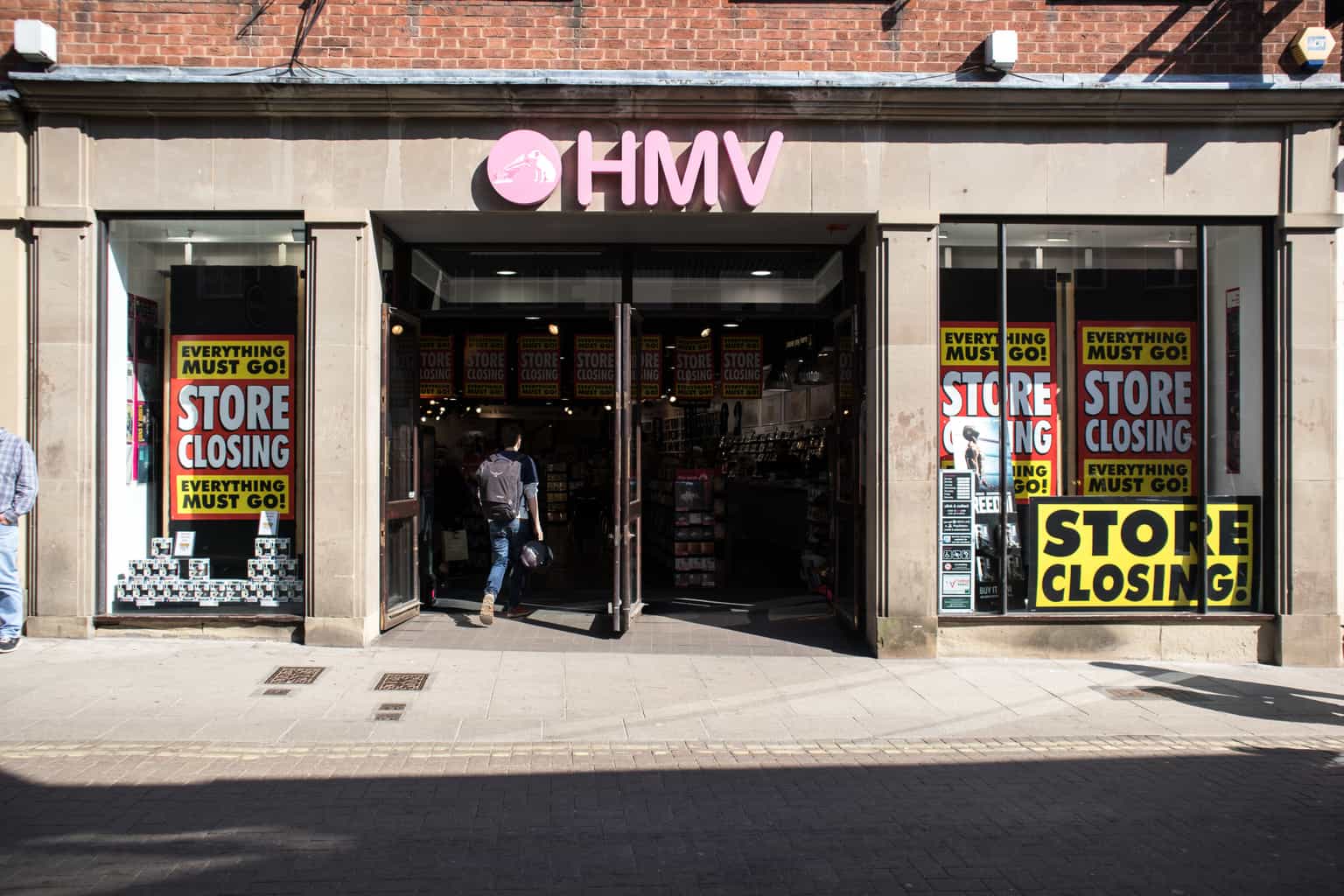
More high street closures as retailers battle rising rents The UK retail landscape is set for another shake-up, with four familiar names preparing to close stores as businesses grapple with expensive leases and changing sales. Stationery retailer Typo is withdrawing from the British market altogether, putting its remaining 13 shops at risk of closure. Meanwhile, […]
News
19h
News
Government plans to expand BBC licence fee with proposed ‘YouTube Tax’
News