









News

Share
Published 16:19 24 Sept 2025 BST
Updated 16:19 24 Sept 2025 BST
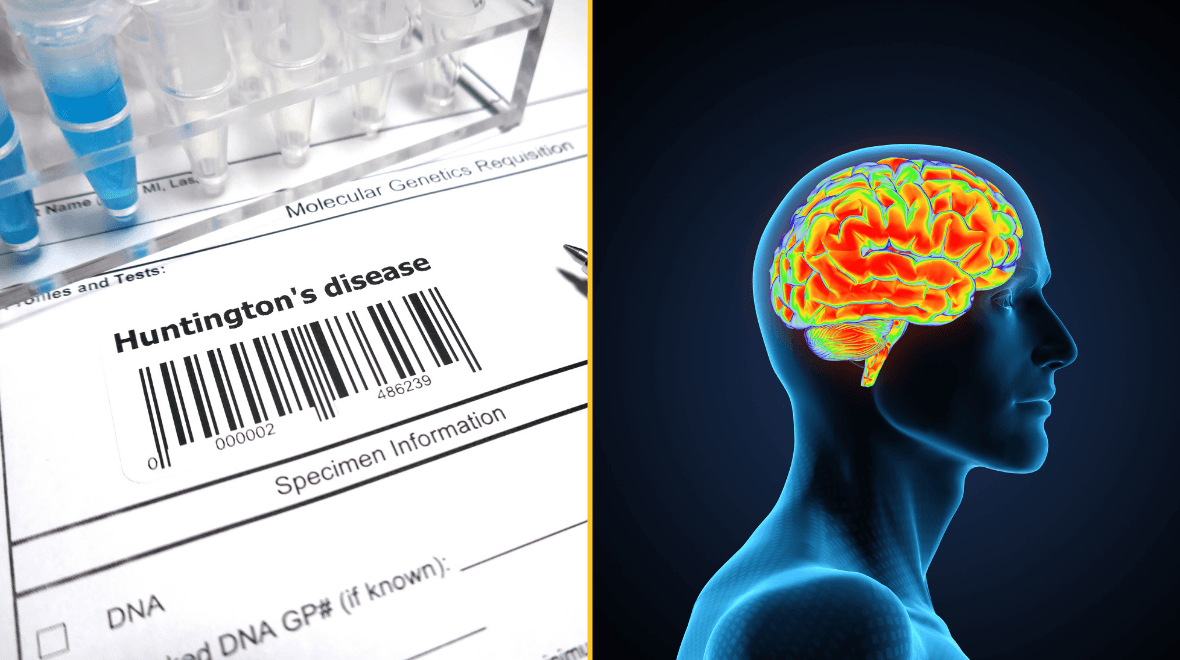
Huntington's disease has been successfully treated for the first time.
The cruel disease runs through families and resembles a combination of dementia, Parkinsons and motor neurone disease.
A team of researchers were emotional today as they revealed their data shows the treatment slowed the disease down by 75% in patients.
This data means that the decline expected in one year would take up to four years after the treatment.
Professor Sarah Tabrizi, director of the University College London Huntington's Disease Centre, told the BBC that this would give patients decades of 'good quality life'.
The new treatment involved a type of gene therapy given during 12 to 18 hours of delicate brain surgery.
Symptoms of Huntington's disease tend to begin in your 30s and 40s and, hwithin 20 years, can be fatal; however, earlier treatment could now prevent symptoms from ever emerging.
Professor Tabrizi described the results as 'spectacular', saying: "We never in our wildest dreams would have expected a 75% slowing of clinical progression."
None of the treated patients have been identified; however, one who was medically retired was able to return to work following the treatment.
Other results include those expected to need a wheelchair having the continued ability to walk.
While treatment is likely to be very costly, it is undoubtedly a moment of hope in the disease that devastates families and young people in their prime.
The disease is caused by an error in an area of our DNA called the huntington gene.
If one of your parents has the disease, there is a 50% chance that you will also inherit the gene and develop the disease.
Speaking on the treatment, Professor Ed Wild, consultant neurologist at the National Hospital for Neurology and Neurosurgery at UCLH said: "This is the result we've been waiting for.
"There was every chance that we would never see a result like this, so to be living in a world where we know this is not only possible, but the actual magnitude of the effect is breathtaking, it's very difficult to fully encapsulate the emotion."
Wild added that he was 'a bit teary' thinking about the effect the treatment would have on families.
Explore more on these topics:

News

News

News

News
UK responds to Putin’s plans to ‘escalate war’ in Ukraine
‘The threats we face are getting closer to home’ UK’s Ministry of Defence has responded amid reports that there are fears Putin will mobilise more troops and increase hybrid attacks on NATO. Defence Secretary Wes Streeting said that “the threats we face are not only evolving, they are getting closer to home.” “Every day, the […]
News
14 min
Trump announces ban on a number of media organisations from White House
‘Other news outlets to follow’ Major traditional news media organisations such as the CNN, MS NOW and Politico have been “immediately” banned from the White House, as per US President Donald Trump. Trump said on Friday in posts made on Truth Social and X (formerly Twitter) that they “constantly write or report fiction or lies”. […]
News
1h
Twenty women had unnecessary mastectomies, County Durham NHS trust admits
News