








News

Share
Published 09:31 20 Nov 2026 GMT
Updated 09:31 20 Nov 2026 GMT
Imagine spending more than seven months underwater, unable to call your family, use your phone or even reply to a message from home.
That's what around 140 Royal Navy sailors have just experienced.
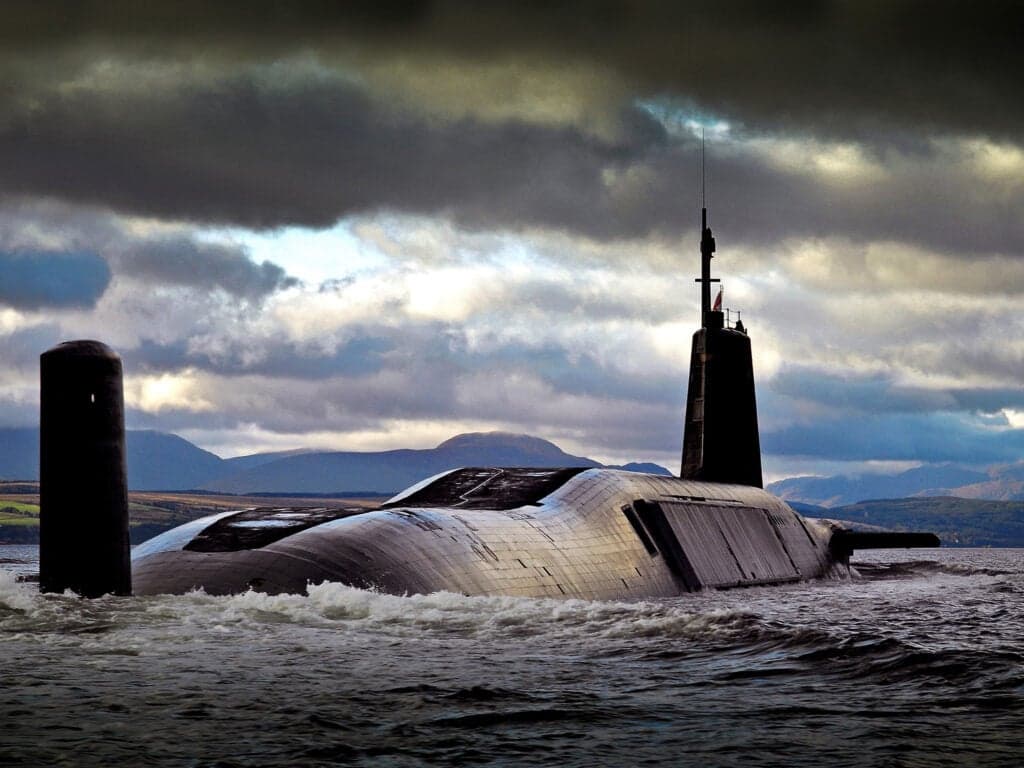
HMS Vengeance, one of Britain's nuclear-armed submarines, returned to its base in Scotland on 15 November after spending 217 days on patrol.
The deployment is believed to be the longest ever carried out by a British nuclear deterrent submarine, surpassing the previous record of 205 days set by HMS Vanguard earlier this year.
But the achievement has raised serious concerns about the condition of Britain's ageing nuclear submarine fleet.
According to Euronews, the submarines were originally designed to undertake patrols lasting around three months.
Now, some are spending more than twice that long at sea.
Crew members spend much of their deployment completely cut off from the outside world to prevent the submarine's location from being detected.
They can receive a weekly message from their families, known as a Familygram, containing no more than 120 words.
But there's a catch: they cannot reply.
The messages are also checked by Navy officials, who can withhold distressing news if they believe it could affect a sailor's ability to perform their duties.
According to the BBC, many crew members work six-hour shifts followed by six hours off, sleeping in cramped cabins that can accommodate up to nine people.
And returning to normal life can be surprisingly difficult.
Some submariners reportedly find everyday smells overwhelming after months of breathing filtered air, while others experience difficulties with distance perception.
They may even be advised against driving for several days.
The increasingly lengthy patrols have been linked to maintenance problems affecting Britain's four Vanguard-class nuclear submarines.
With some vessels undergoing lengthy repairs, those still operational are being required to remain at sea for longer.
HMS Vengeance's return was reportedly delayed after the submarine intended to replace it experienced a technical problem.
The ageing Vanguard fleet was originally expected to serve for around 25 years, but the submarines are now expected to remain operational for approximately 40 years.
They are due to be replaced by the new Dreadnought-class submarines from the early 2030s.
Defence Secretary Wes Streeting acknowledged the pressure being placed on crews when he welcomed HMS Vengeance home.
He said it "doesn't sit lightly" with him that sailors are being asked to serve longer than originally intended.
Britain has maintained at least one nuclear-armed submarine on patrol continuously since 1969, as part of its nuclear deterrent.

News

News

News

News
European country scrambles fighter jets following major strikes unleashed by Putin
Just hours after the China summit Following “suspected violations” of its airspace by “unidentified aerial objects” while the strikes were conducted in neighbouring Ukraine, Poland, a NATO member, was forced to scrambled fighter jets and activate air defences. In footage shared on social media, an explosion is seen near Chmielek in Poland, which is roughly […]
News
1h
GTA VI could raise more than £1bn for the UK Treasury
Gamers are expected to spend big following the release of the game. The release of Grand Theft Auto VI could generate more than £1 billion in revenue for the UK Treasury, as millions of gamers prepare to splash out on Rockstar’s highly anticipated new title. More than a third (37 per cent) of UK adults […]
News
16h

News
Donald Trump appears to reach for Xi Jinping’s hand on escalator in awkward moment
News