






News

Share
Published 14:38 11 Aug 2026 BST
Updated 15:24 11 Aug 2026 BST
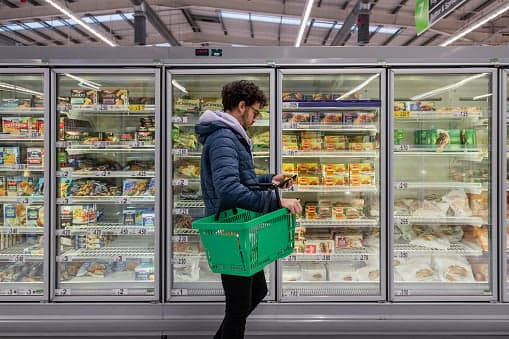
This year’s harvest could be known as the worst in the UK since recording started 190 years ago.
An exceptionally dry spring and summer could lead to food shortages, impacting shelves in what is called ‘shrinkflation’.
The Food and Drink Federation (FDF) has come out stating “fruit, vegetable and grain supplies” are being hit by the recent heatwaves and droughts throughout the country.
Foods such as broccoli, cherries and iceberg lettuce have been imported from Spain, which is unheard of for the month of August, according to chairman of Nationwide produce, Tim O’Malley.
The harvest of wheat, barley and rapeseed are at an all-time low since being first recorded in 1984.
The total output of these grains comes up to just 19.5 million tonnes, in comparison to 19.8 million tonnes in 2020.
The Energy and Climate Intelligence Unit (ECIU) estimated 2.5 million tonnes less than an average yield, or £390 million in lost revenue for farmers.
However, the fruit, grain and vegetable crops aren’t the only affected areas due to the massive heatwaves across the UK.
A lot of grain is used for feed for animal crops, meaning less animal produce on the retail shelves.
Food items impacted due to grain shortage
Animal produce that could rise in price
Retailers are working hard and know how to substitute their supply chains when in crisis.
Director of food and sustainability policy at the British Retail Consortium, Andrew Opie, raises concerns about shelf prices and food shortages.
He says retailers “will take all necessary steps, including sourcing from alternative suppliers where appropriate, to minimise any impact on customers.”
Dr. Liliana Danila, Chief Economist at FDF said: “Competition for fewer resources will in turn push up the price of ingredients for manufacturers.
“The UK’s food and drink manufacturers work hard to absorb costs where they can, but are already grappling with rising costs as a result of war in Ukraine and in Iran.
“We expect the additional upward pressure of reduced crops will be reflected in retail prices into next year.”
Tim O’Malley told Radio 5 Live’s ‘Wake Up to Money’: "I think we're going to see shrinkflation.
"The problem we're going to have this year is a massive reduction in yield and major quality issues,
“It's grim out there. I think it's as bad as it's ever been… Every record is being broken.
"The difference between this year and last year, last year we had four heat waves. But in between them we had a bit of rain."
Shrinkflation, a summing of ‘shrinking’ and ‘inflation’ together, is pretty self explanatory.
As food shortages increase, farmers and retailers increase their prices to keep up with their costs.
With a record low crop yield coming in this summer, retailers are expected to increase prices of homegrown goods, as well as importing food items that haven’t survived the UK droughts.
Meat and dairy products also take a hit. Cows are under immense stress due to the soaring heat, meaning less milk is produced.
Additionally, grass grazing livestock such as sheep, cows and goats, well…have less to feed on.
Expect prices to go up and to pack less in your bag for life on your weekly stroll to your local supermarket.
Explore more on these topics:
News

News
News
News
School bus fares: no phone means no discount for kids
Parents face costly choice over smartphone and discounted school bus fares An 11-year-old girl in Derbyshire could be left paying hundreds of pounds more for her journey to school simply because she does not have a smartphone. Her mother, Adele Kightley, says the family could face an additional £546 in travel costs over the next […]
News
1 day ago
Scottish diesel prices hit £2 a litre at 226 forecourts
‘Absolutely devastated’ Keeping a lorry on the road is becoming increasingly expensive in Scotland, with diesel now costing more than £2 a litre at 226 forecourts across the country. The worst-hit areas are the Highlands and islands, where motorists can pay up to 50p more per litre than customers using supermarket pumps in the central […]
News
1 day ago

News
Drilling begins at ‘real site’ of Noah’s Ark as activists warn ‘Darwinism will be dismantled’
News