







News

Share
Published 16:35 25 Jan 2026 GMT
Updated 16:35 25 Jan 2026 GMT
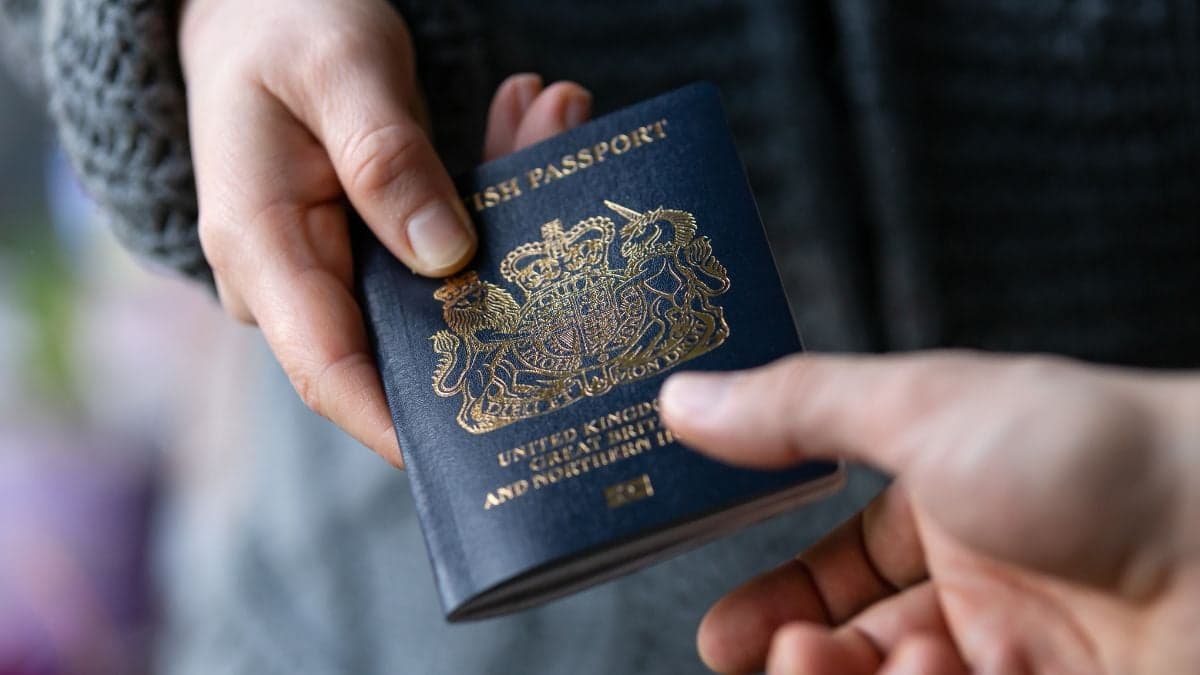
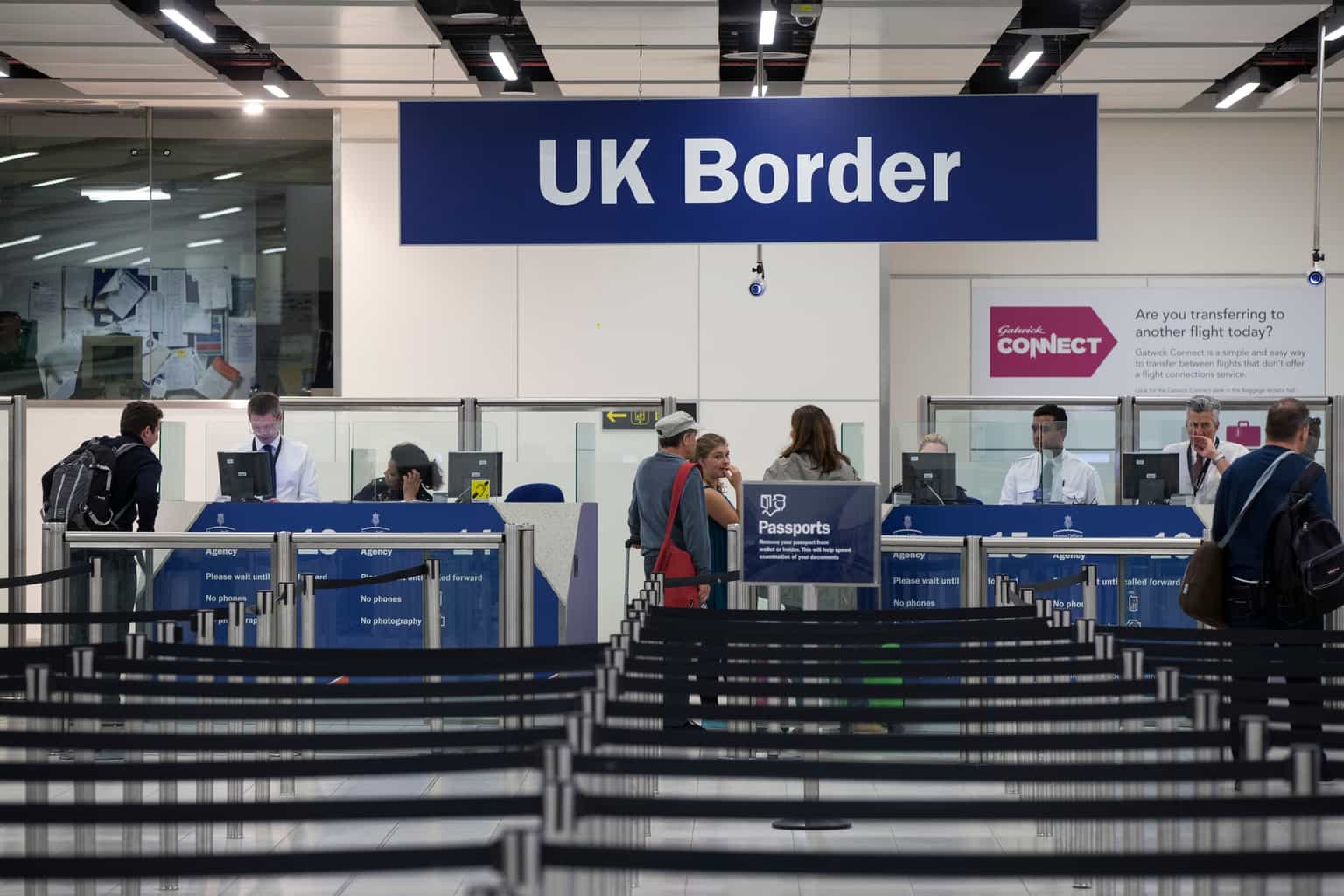
If you're a British dual citizen coming into the country without a UK passport, you may soon be denied entry as new rules are set to come into force next month.
Changes are on the way for British dual citizens as the Home Office's new Electronic Travel Authorisation (ETA) scheme comes into effect within weeks.
The scheme will require visitors from countries that normally do not need a visa to travel to the UK, such as France or Canada, to obtain an ETA before arrival.
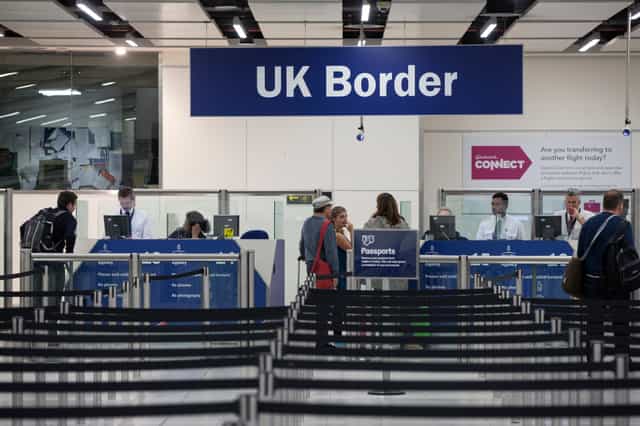
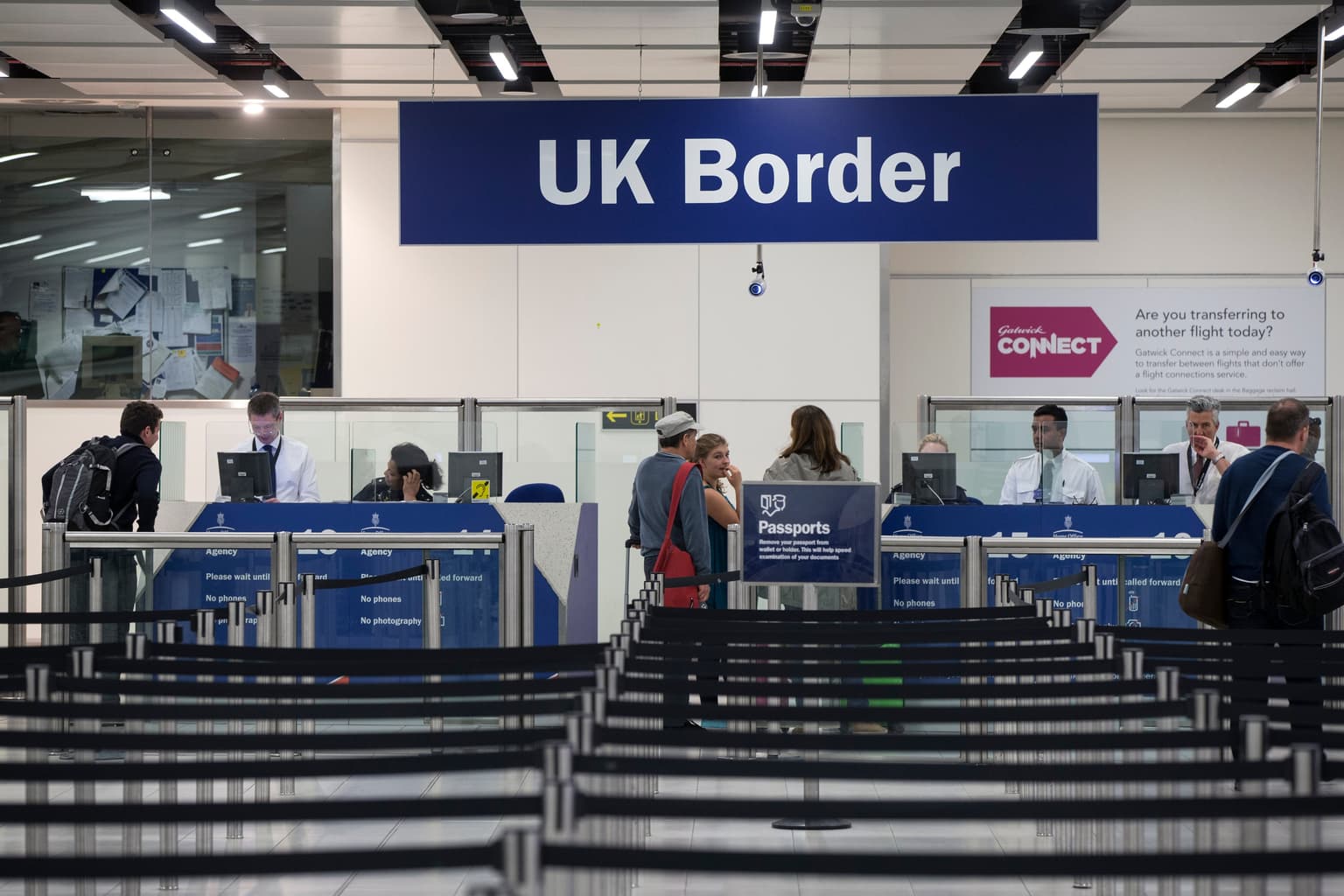
However, the ETA change will also affect non-visitors such as dual citizens, as all travellers to the UK will need to show proof of permission to enter, and airlines, ferry and train operators can refuse boarding if documents are not in order.
From February 25, 2026, Britons will be required to present a valid UK passport or a certificate of entitlement which proves their status when entering the country.
Previously, Brits with dual citizenship have been able to travel to the UK using non-British passports.
They have also been able to demonstrate their citizenship status using other documents where necessary.
Because British and Irish citizens are exempt from ETAs, they are now required to travel on a British or Irish passport or even present a certificate of entitlement.
The new rules will apply from February 24, 2026, to all dual citizens living or travelling overseas.
Dual national British citizens include:
The most important thing ahead of the February deadline is confirming your UK passport is still valid and that an existing passport has not expired.
As noted by a House of Commons briefing note, there is no legal requirement for British citizens to travel on a British passport, however, pre-departure checks for travellers make it difficult to do so without one.
The Home Office has long urged dual nationals travelling to the UK to use a British passport, though enforcement has been relaxed to allow for a transition period.
The briefing said: "Some people question why they can’t use other documents to prove their right of abode and exemption from the permission to travel requirement, such as an expired British passport or a certificate of naturalisation or registration as a British citizen.
"Those documents aren’t listed in the Home Office’s document checking guidance for transport providers.
"Carriers are unlikely to deviate from the guidance because they can be penalised for bringing inadequately documented passengers to the UK."
News

News
News

News
Pensioner sepsis death: Coroner warns over unmonitored transfer
Trust ordered to respond after transfer failures Monica Wood, a 66 year-old pensioner who lived with dementia, fell, which left her with a bleed on the brain, and staff admitted her to the Royal London Hospital. A fortnight later, after she was moved 200 miles to Stepping Hill in Stockport, nearer her home, she died […]
News
1 day ago
East Acton shooting: man, 40, shot dead at memorial service
Met Police appeal for witnesses after the shooting East Acton shooting has left a 40 year-old man dead in front of dozens of mourners, as Metropolitan Police hunt the gunman who opened fire. Detectives have launched a murder investigation after the gunman the 40 year-old dead at a memorial service in Braybrook Street, East Acton. […]
News
1 day ago

News
News