





News

Share
Published 10:50 16 Oct 2026 BST
Updated 10:50 16 Oct 2026 BST
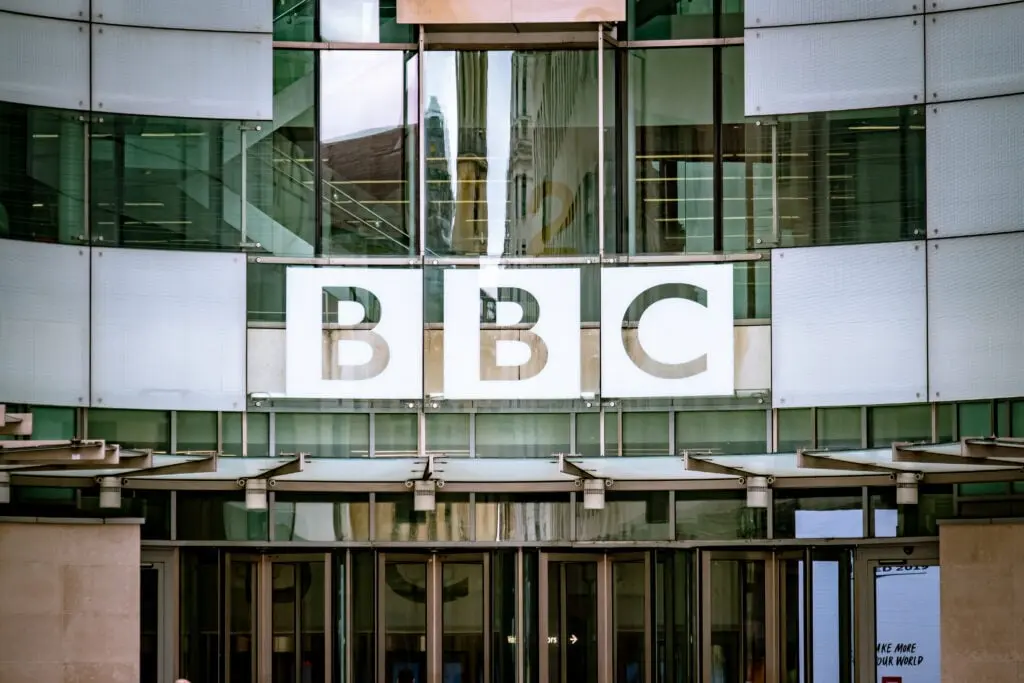
Watching videos online could soon come with an unexpected cost, as the government considers extending the BBC licence fee to streaming services and digital platforms.
The proposed shake-up could bring websites and services such as YouTube, Netflix, Amazon Prime Video and Disney+ under the same rules as traditional television.
The idea has reportedly earned the nickname 'YouTube tax', reflecting the huge number of people in Britain who use the video-sharing platform.
Details are expected to emerge in a government white paper on the BBC's future, which is due before Christmas as part of the corporation's charter renewal.
According to a senior Whitehall source speaking to The Independent, ministers want to update the funding system to reflect the way people now watch programmes and other video content.
At present, a television licence is required to watch live television on a TV set, even if the viewer never switches on the BBC.
The rules also cover live broadcasts watched online, but most catch-up content is exempt, with BBC iPlayer being the main exception.
The changes could see more online content brought under the licence fee rules, meaning viewers may no longer be exempt simply because they watch programmes through streaming platforms.
The source argued that people should not be able to avoid paying simply by watching content on a phone, tablet or computer.
The reform is also being considered as a way to protect the BBC's finances.
The annual licence fee currently stands at £180, and there are concerns that more people could stop paying as viewing habits continue to shift away from conventional television.
Not everyone would be required to pay the full amount under the existing arrangements.
People aged 75 or over who receive Pension Credit qualify for a free licence, while those who are registered blind or severely sight impaired are entitled to a 50% discount.
The debate comes as the BBC itself looks to expand its online presence.
The corporation has announced that its news channel will launch on YouTube, while director-general Matt Brittin has spoken about the possibility of distributing BBC News through services such as Netflix.
However, the proposed changes would represent a significant shift in how online video is funded in Britain, potentially bringing millions of viewers into a system that currently applies to only certain types of television viewing.
Explore more on these topics:
News

News
News
News
19 people injured after Channel Tunnel collision between bus and train
The incident happened on the French side of the tunnel. A collision between a bus and a train on the French side of the Channel Tunnel has left 19 people injured. Latest reports from outlets in France say that a minibus transporting passengers hit a stationary train wagon in the loading area at the entrance […]
News
13h
Piers Morgan urges Trump to side with Ukraine against ‘modern-day Hitler’ Putin
‘Give this guy the support he needs to defeat the modern-day Hitler.’ Piers Morgan has urged Donald Trump to side with Ukraine and Volodymyr Zelensky in their war against Russia. There have been strained tensions this week between Ukraine and the US as Trump has cosied up to Vladimir Putin with diesel deals and sham […]
News
16h
ITV investigation uncovers ‘clear and blatant’ racism at the heart of Reform
News