





News

Share
Published 16:04 22 Oct 2026 BST
Updated 16:04 22 Oct 2026 BST
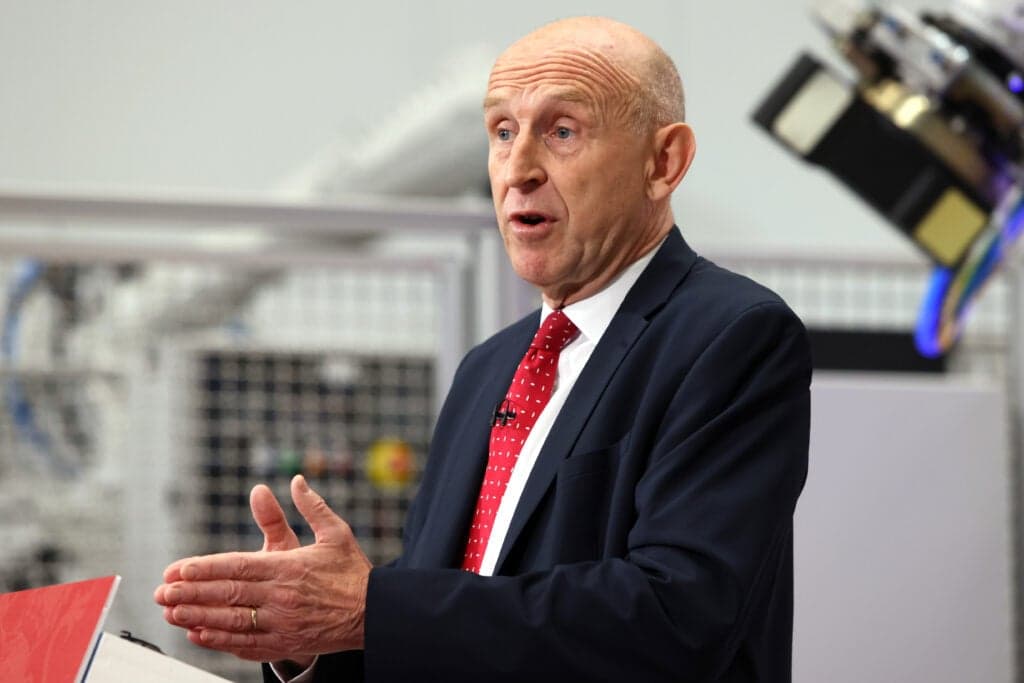
Energy bills, fuel duty and potential tax changes are among the key issues facing Chancellor John Healey as he prepares to deliver his first Autumn Budget next Wednesday.
With households continuing to feel the squeeze from rising living costs, the Government is under pressure to offer financial relief while deciding how to raise revenue.
Possible measures include extra help with energy bills, changes to the way online retailers pay VAT and higher taxes on banks.
Property owners, motorists and savers will also be watching closely for announcements that could affect their finances.
Questions remain over plans for an annual charge on expensive homes, possible changes to inheritance tax and the future of fuel duty.
Healey has yet to confirm the full package of measures, leaving uncertainty over which proposals will make it into the final Budget.
Here are the main areas to watch when the Chancellor delivers his Autumn Budget.
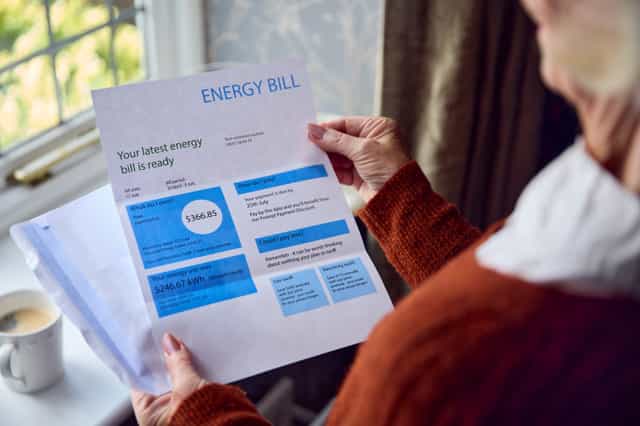
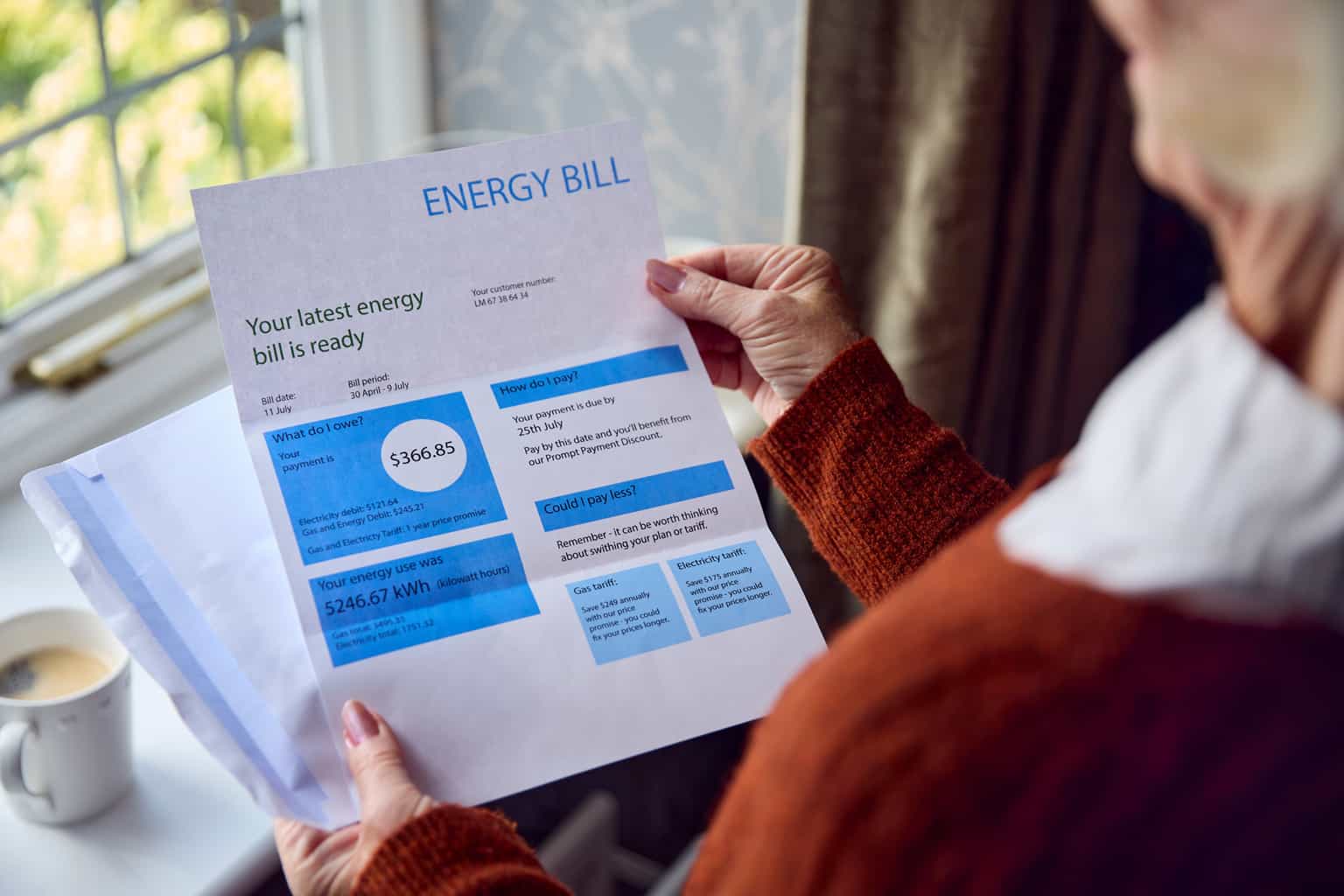
Households could receive further help with energy costs, which are expected to rise again.
One proposal under discussion is an extra £100 for people receiving the Warm Home Discount. The scheme currently gives around six million eligible households £150 off their bills.
The Government has also scrapped VAT on household electricity bills, saving a typical household around £45 a year.
Energy Secretary Miatta Fahnbulleh has acknowledged the pressure on consumers, while Healey has said he wants the Budget to provide relief for families and businesses.
The Government has indicated it does not intend to increase the main rates of income tax, VAT or National Insurance.
However, Healey has yet to confirm the final tax measures, leaving uncertainty over what other changes could be announced.
The UK's four largest lenders made around £15 billion in combined profits during the first half of the year, putting possible tax increases on the sector under scrutiny.
The Chancellor could raise the additional corporation tax surcharge paid by banks, currently set at 3% on top of the standard 25% rate.
The surcharge was previously reduced from 8%. Another option would be to increase the bank levy, which applies to certain banking liabilities.
The Institute for Public Policy Research has also proposed a temporary tax on banks' excess profits, estimating it could raise £1 billion. Trade unions and other policy groups have called for the sector to contribute more.
Drivers could benefit from a fuel duty freeze as oil prices fluctuate amid the conflict involving Iran.
Plans announced by former Chancellor Rachel Reeves included fuel duty increases of 3p per litre in January and a further 2p in March.
The Road Haulage Association has also called for a 15p-per-litre rebate for essential fuel users, including lorry, coach and van drivers.
Amazon, eBay and other online marketplaces could be required to collect VAT from overseas retailers as part of a crackdown on unpaid tax.
The proposal could raise an estimated £1 billion, with the money potentially used to reduce business rates for high street shops.
Reports suggest the rules would apply to retailers with annual turnover above £90,000, regardless of where they operate.
The Government could revisit plans for an annual charge on high-value properties. Under the existing proposal, homes worth more than £2 million would face a yearly bill of between £2,500 and £7,500 from April 2028.
The Office for Budget Responsibility estimates the charge could raise around £400 million a year.
Lowering the threshold to £1.5 million would bring another 200,000 homes into scope, although reports suggest this expansion may have been dropped.
Healey has reportedly ruled out increasing capital gains tax, which applies to profits from selling assets such as shares and property.
Concerns include the possibility that higher rates could encourage wealthy people to leave the UK or delay selling their assets.
Inheritance tax reform has also been discussed by Prime Minister Andy Burnham, including the possibility of replacing the current system with a broader charge on estates.
However, Burnham has said his plans for major adult social care changes will be put to voters at a general election, making a significant reform announcement in this Budget less likely.
Burnham has criticised the UK's property tax system and expressed support for a land value tax, which would be based on the land itself rather than the buildings on it.
However, he said in July that there were no immediate plans to abolish council tax or stamp duty.
The UK has committed to raising defence spending to 3.5% of GDP by 2035. Healey previously supported a separate target of reaching 3% by 2030 while serving as Defence Secretary.
Reports suggest the earlier target could be dropped as the Government sets out its financial plans. The two targets have different deadlines and should not be confused.
Explore more on these topics:


News

News
News
News
Ex-Tory candidate suspended after investigation appears to show him discussing contract killings
Jack Ross has denied the allegations against him. A former Conservative Party candidate has been suspended after an undercover investigation appeared to capture him discussing the cost of arranging violent attacks, including murder. Jack Ross, chief executive of right-wing activist group Turning Point UK (TPUK), was suspended from the Tory party with immediate effect on […]
News
3h
Millions urged to check for letter confirming £150 energy bill discount
The energy discount letters start arriving this week People who may qualify for a £150 contribution towards their energy bills should start checking their post from Thursday, 22 October, as the next round of Warm Home Discount notifications gets underway. The letters will explain how eligible households can receive the reduction and whether any action […]
News
3h
News
Flight cancelled after snake found on plane in first of its kind incident
News