



Entertainment

Share
Published 18:42 20 Feb 2017 GMT

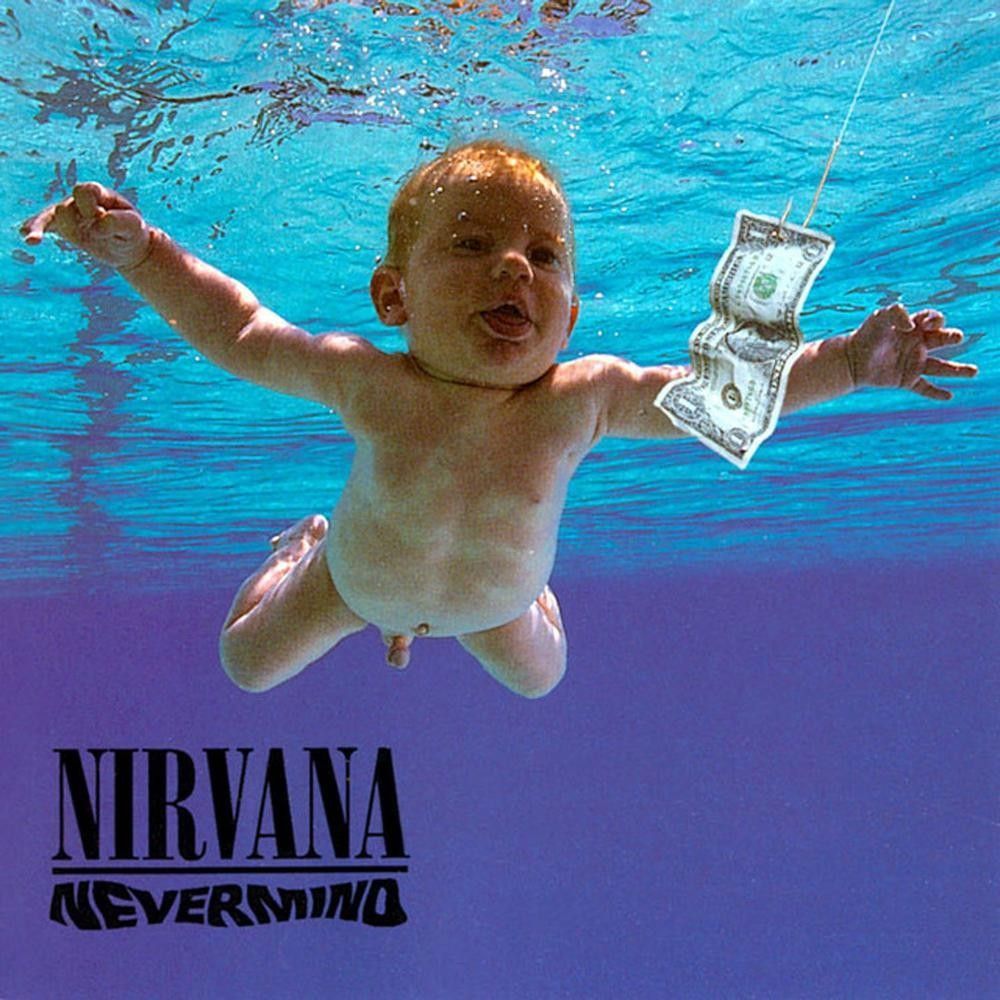 But suddenly shooting to international fame does things to an artist both personally and creatively, especially if your tendency is to step back from the spotlight. Much has been said about the detrimental impact Cobain's fame had on him, and everyone knows the tragic end to his story, but less is said about his artistic response to success.
Nirvana followed Nevermind with 1993's In Utero. People talk about the 'difficult third album' - the idea that bands use up all their good ideas on their first two albums and don't quite manage the hat-trick - but most bands don't have to record a follow-up to a genre and generation-defining album.
Now that they were megastars and had the world's attention, a less principled band might have been tempted to forge further into the mainstream, churn out another bag of hits that the radio stations would lap up and watch the money roll in. Instead, Nirvana railed against their commercial success. They spat at it. They made In Utero.
It doesn't take much to understand the difference between Nevermind and In Utero - they are two drastically different albums. Nevermind sounds huge: sky-high guitars, stadium drums, in-your-face vocals (not that you could understand what Kurt was singing about anyway). The songs were immaculate, with Cobain meticulously crafting melodies and some of rock's most well-known riffs. Nevermind is basically as close to perfect as rock music gets.
In Utero is none of these things. If Nevermind is glass, In Utero is rust and nails. The opening dissonance of 'Serve The Servants' - a kind of 'A Hard Day's Night' for Gen X - signals that this is not going to be Nevermind Part 2. The songs on In Utero are deliberately jarring and unwelcoming, filled with screaming noise and obstructive riffs.
Though the sound of In Utero was intended to agitate, the quality of the songwriting shines through. Songs like 'Heart-Shaped Box' and 'All Apologies' - both hit singles - showcase Cobain's dedication to melody and composition; 'Rape Me' could have been a radio smash if it wasn't called 'Rape Me', but then it wouldn't be 'Rape Me', so what would be the point?
On the other hand, you have songs like 'Tourette's', 'Milk It' and 'Radio Friendly Unit Shifter' that are unrestrained aggression, free from conventional form and any kind of desire to be enjoyable to listen to. And yet, for all their wilful rejection of mainstream tastes, they are enjoyable to listen to, because they came from Kurt Cobain.
As an artist, Kurt was constantly worried about selling out. Nirvana had signed to a major label and released one of the biggest rock albums of the decade, so he pushed back against their success to produce what was no doubt intended to be the antithesis to Nevermind. In doing so, Nirvana made a statement, a declaration that they were not for sale. More than that, they made a really fucking good record.
But suddenly shooting to international fame does things to an artist both personally and creatively, especially if your tendency is to step back from the spotlight. Much has been said about the detrimental impact Cobain's fame had on him, and everyone knows the tragic end to his story, but less is said about his artistic response to success.
Nirvana followed Nevermind with 1993's In Utero. People talk about the 'difficult third album' - the idea that bands use up all their good ideas on their first two albums and don't quite manage the hat-trick - but most bands don't have to record a follow-up to a genre and generation-defining album.
Now that they were megastars and had the world's attention, a less principled band might have been tempted to forge further into the mainstream, churn out another bag of hits that the radio stations would lap up and watch the money roll in. Instead, Nirvana railed against their commercial success. They spat at it. They made In Utero.
It doesn't take much to understand the difference between Nevermind and In Utero - they are two drastically different albums. Nevermind sounds huge: sky-high guitars, stadium drums, in-your-face vocals (not that you could understand what Kurt was singing about anyway). The songs were immaculate, with Cobain meticulously crafting melodies and some of rock's most well-known riffs. Nevermind is basically as close to perfect as rock music gets.
In Utero is none of these things. If Nevermind is glass, In Utero is rust and nails. The opening dissonance of 'Serve The Servants' - a kind of 'A Hard Day's Night' for Gen X - signals that this is not going to be Nevermind Part 2. The songs on In Utero are deliberately jarring and unwelcoming, filled with screaming noise and obstructive riffs.
Though the sound of In Utero was intended to agitate, the quality of the songwriting shines through. Songs like 'Heart-Shaped Box' and 'All Apologies' - both hit singles - showcase Cobain's dedication to melody and composition; 'Rape Me' could have been a radio smash if it wasn't called 'Rape Me', but then it wouldn't be 'Rape Me', so what would be the point?
On the other hand, you have songs like 'Tourette's', 'Milk It' and 'Radio Friendly Unit Shifter' that are unrestrained aggression, free from conventional form and any kind of desire to be enjoyable to listen to. And yet, for all their wilful rejection of mainstream tastes, they are enjoyable to listen to, because they came from Kurt Cobain.
As an artist, Kurt was constantly worried about selling out. Nirvana had signed to a major label and released one of the biggest rock albums of the decade, so he pushed back against their success to produce what was no doubt intended to be the antithesis to Nevermind. In doing so, Nirvana made a statement, a declaration that they were not for sale. More than that, they made a really fucking good record.Explore more on these topics:
Entertainment
Entertainment
Entertainment
Entertainment
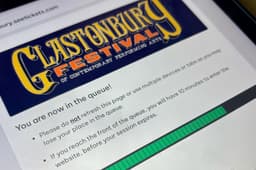
Glastonbury 2027 tickets gone within 42 minutes of queue opening
Why Glastonbury 2027 tickets sold out instantly A record-breaking scramble for Glastonbury 2027 tickets left organisers stunned on Sunday, with the entire allocation gone inside 42 minutes of the queue opening. Starting from 09:00 BST, thousands of fans joined the virtual queue with hopes for a place at Worthy Farm next June. By 09:40, organisers […]
Entertainment
1 week ago
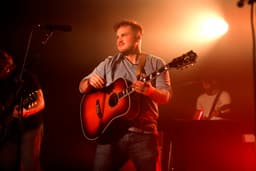
Robert Kraft: Zach Bryan wears Free Palestine shirt at Gillette Stadium
The Zach Bryan Free Palestine shirt echoes Macklemore’s own protest A Zach Bryan Free Palestine shirt has revived the Macklemore row at Gillette Stadium, the Massachusetts venue that barred him from Ed Sheeran’s US tour for the same message. Zach Bryan walked out at Gillette Stadium this week in a black T-shirt reading “Free Palestine”. […]
Entertainment
2 weeks ago
Entertainment
Gracie Abrams ticket prices revealed for her UK and European tour dates
Entertainment