







Lifestyle

Share
Published 09:45 26 Feb 2026 GMT
Updated 14:58 27 Feb 2026 GMT
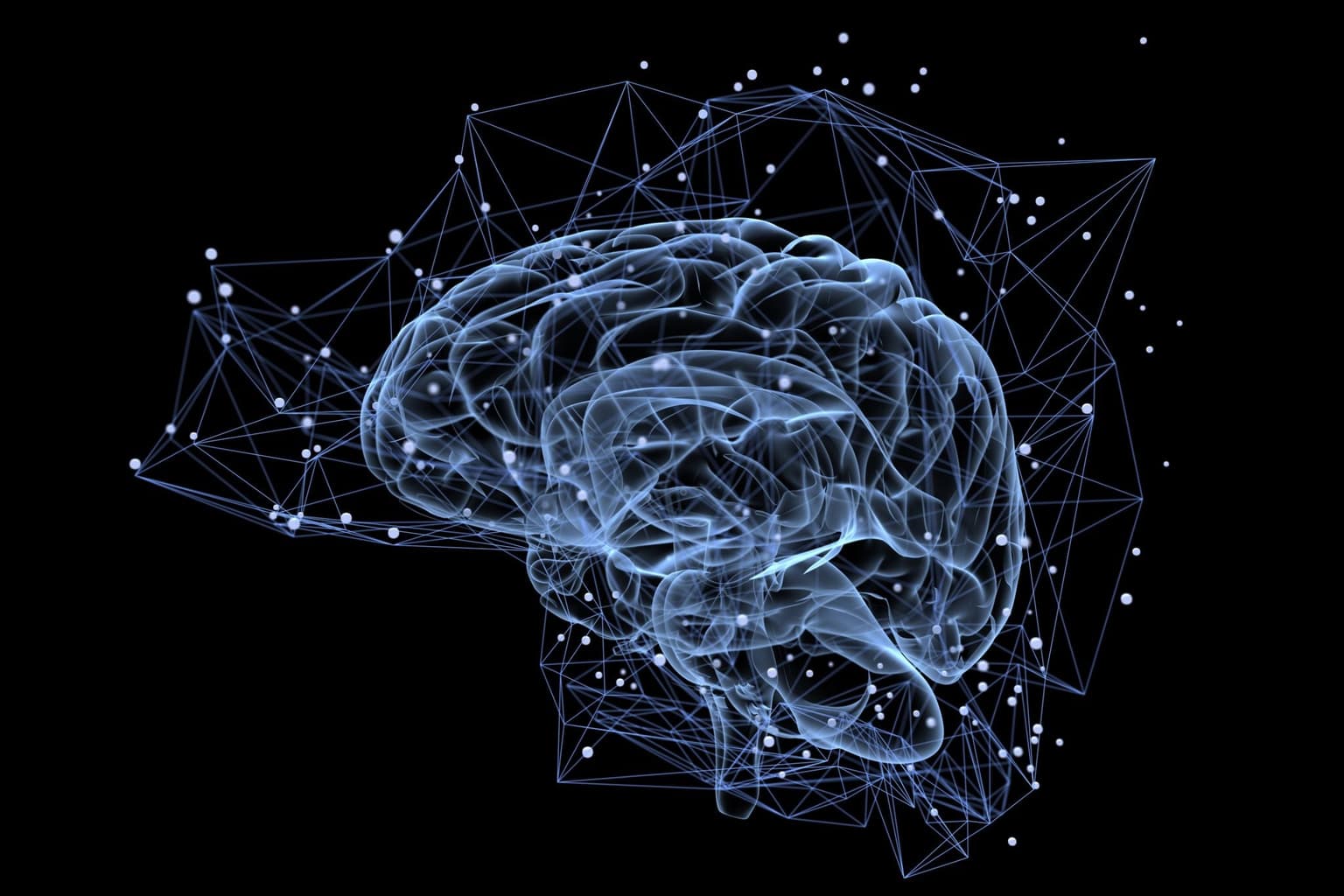
Researchers say people may remain conscious for several hours after heart and brain stop, and that we must redefine death.
According to a study, people may be conscious for several hours after they have died, as evidence has been found that consciousness may persist long after the heart has stopped pumping and the brain has stopped sending electrical impulses.
That the brain can send signals for a few seconds after death has long been known.
However, emerging research suggests people are alert to what is happening around them while they are biologically dead.
Death is not an “instantaneous event” but instead “unfolds as a process”, and the brain declines over hours instead of stopping abruptly, as per the study presented at the American Association for the Advancement of Science annual conference in Phoenix.
Researcher Anna Fowler at Arizona State University analysed more than 20 studies on people’s near-death experiences, as well as studies conducted in animals on what happens in the brain after death.
In some human patients who experienced “complete circulatory standstill”, which means the heart stops beating, what happened is that they were later able to recall what was happening around them.
Ms Fowler writes in her study that “death, once believed to be a final and immediate boundary, reveals itself instead as a process – a shifting landscape where consciousness, biology and meaning persist longer than we once imagined”.
“Consciousness may not vanish the moment the brain falls silent. Cells may not die the moment the heart stops.”
“This research proposes that death is not the sudden extinguishing of life, but the beginning of a transformation, one that medicine, philosophy and ethics must now approach with deeper humility and renewed clarity”, she adds.
However, Ms Fowler warns that the work has implications for the ethics of organ donation, as around one in three organ donations occur after the heart has stopped.
As it is ideal to take organs within minutes of the heart ceasing to operate and a person is declared dead, this is done to ensure the organs are fresh and not damaged for their transplantation into a patient in need.
Ms Fowler says that in these cases a donor may still be conscious while their organs are harvested.
She said she believes there have been instances of organs being harvested while the donor is still conscious.
As for what happens when we die, she says that we cannot know for sure.
“What does happen when we die? Nobody really knows,” she added. “I really want people to think and consider what it means to truly die.”
According to Ms Fowler, the definition of death in the US, which was set out in the 1980s, should be updated to reflect that death is not a singular event.
“It should be considered in phases,” she said. “If you have cancer, you could have stage three cancer, stage two cancer. Well, there are stages of death.”
Lifestyle

Lifestyle
Lifestyle

Lifestyle
The UK’s coolest places to live have been revealed
Time Out has named the UK’s coolest places to live, eat and hang out Time Out has revealed its annual ranking of the UK’s coolest neighbourhoods, highlighting the places making waves for their independent businesses, lively food and drink scenes and cultural offerings. The list was compiled with help from the publication’s nationwide network of […]
Lifestyle
4 days ago
Bank of Mum and Dad has opened a new branch – on the driveway
Parents are spending more than £500 a year helping their kids use the family car The Bank of Mum and Dad has long helped young Brits get onto the property ladder – but now it seems to have opened a new branch on the family driveway. New research from Compare the Market reveals parents are […]
Lifestyle
1 week ago
Save 65% on this Dual Basket Air Fryer with Touchscreen
Lifestyle