









Health

Share
Published 11:59 25 Jun 2026 BST
Updated 11:59 25 Jun 2026 BST

It appears that the most important risk factor for cancer isn’t one which most people thought about.
Asking most people what causes cancer would most likely give you the following answers: smoking, alcohol, the sun, or some other element that you can avoid.
This, however, doesn’t seem to be the case after all.
The biggest risk factor it seems is one which we cannot avoid, and that is ageing.
In Canada, for example, cancer is one of the most common diseases in older adults and one of the most common diseases overall.
What this means is that we need to think about how to provide the best cancer care for older adults.
According to international guidelines, including those from the American Society of Clinical Oncology, all older adults should have a geriatric assessment prior to making a decision about their cancer treatment.
For an older adult, consultation with a geriatrician allows the oncologist and the older adult to engage in a conversation about cancer treatment, armed with information.
This includes things like how treatment might affect their cognition, their function, their existing illnesses (which most older adults have when they are diagnosed with cancer), and the years of remaining life.
• Obesity: Being overweight is the second biggest contributor, increasing the risk of 13 different types of cancer (including bowel, kidney, and breast cancer).
• Sun & UV: Excessive sun exposure and the use of sunbeds significantly increase the risk of melanoma skin cancer.
• Alcohol: The less you drink, the lower your risk, as excessive consumption is linked to several types of cancer.
• Diet & Inactivity: Processed foods, red meat, high-salt diets, and a lack of regular physical activity raise your overall risk.
• Infections: Certain viruses, such as HPV, can significantly elevate cancer risks Cancer Research UK.
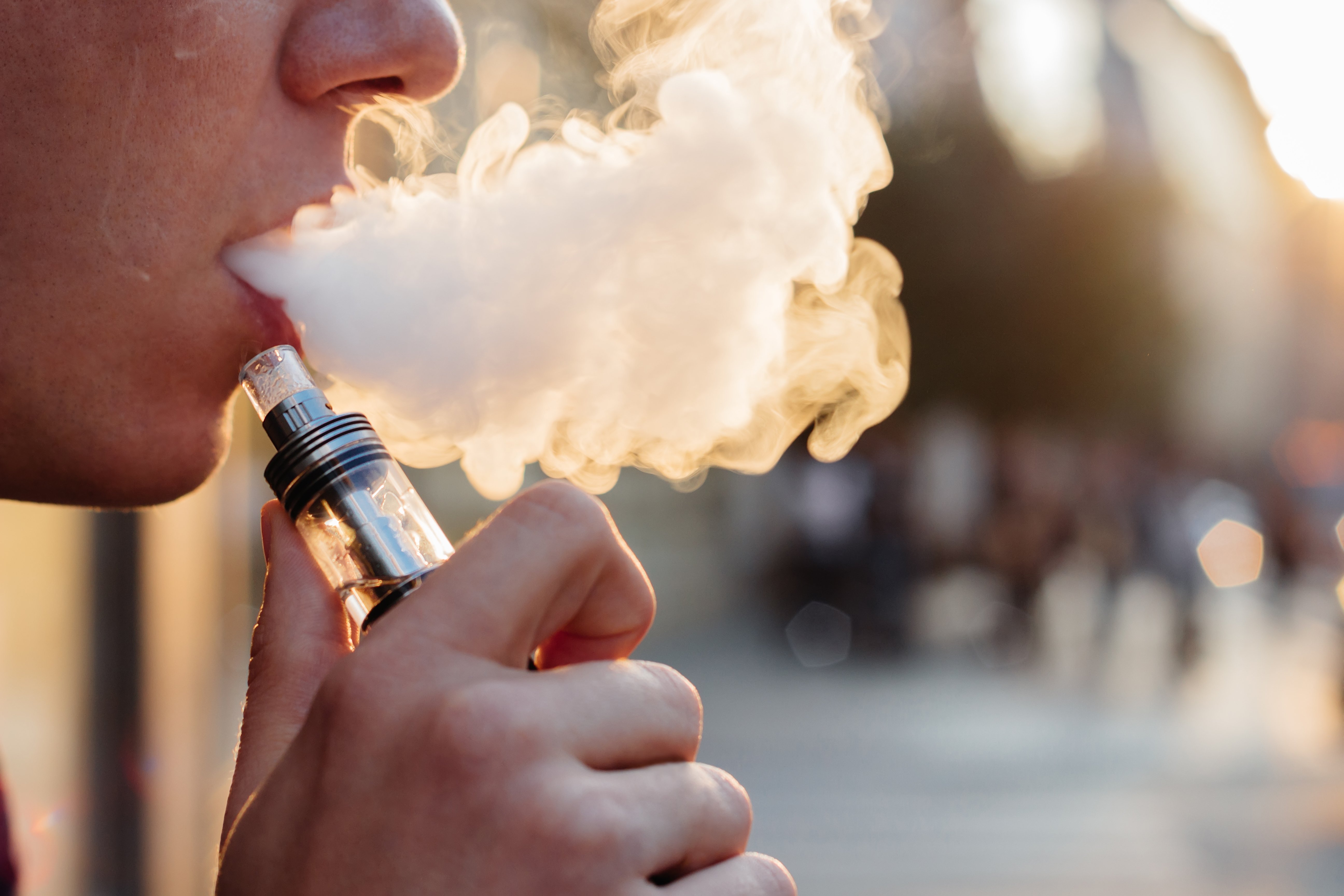
• Vaping: Emerging research has also linked the long-term use of certain nicotine vapes to the formation of hazardous chemicals and cancer risks.
Explore more on these topics:

Now, compared to ageing, which none of us mortals can escape, there are preventable causes of the terrible disease.
There are several major preventable cancer causes which were highlighted by Cancer Research UK.
These include:
• Smoking: The leading preventable cause, accounting for roughly 15% of all cases and the vast majority of lung cancers.

Health

Health

Health

Health
Doctor explains why UK heatwave is giving some men ‘summer penis’
It seems that the heatwave has its positives The heatwave gives some men what has been described as “summer penis”, and yes, it’s a real thing. At least that’s what the doctors say, so this seems like another reason to love the good weather. Now that summer is here, we can all agree that it […]
Health
3 days ago
What are the symptoms of prostate cancer as Jeremy Clarkson reveals diagnosis
Here’s what you should consider Jeremy Clarkson shared the diagnosis in the final episodes of the fifth series of Clarkson’s Farm, which premiered overnight. The show, aired on Amazon Prime Video, documents the trials of farming on his land in Oxfordshire. The former Top Gear presenter had warned fans on Instagram that the latest videos […]
Health
1 week ago
Health
How to tell you’re having a heart attack as Patrick Muldoon dies aged 57
Health