





Lifestyle

Share
Published 16:42 27 May 2021 BST
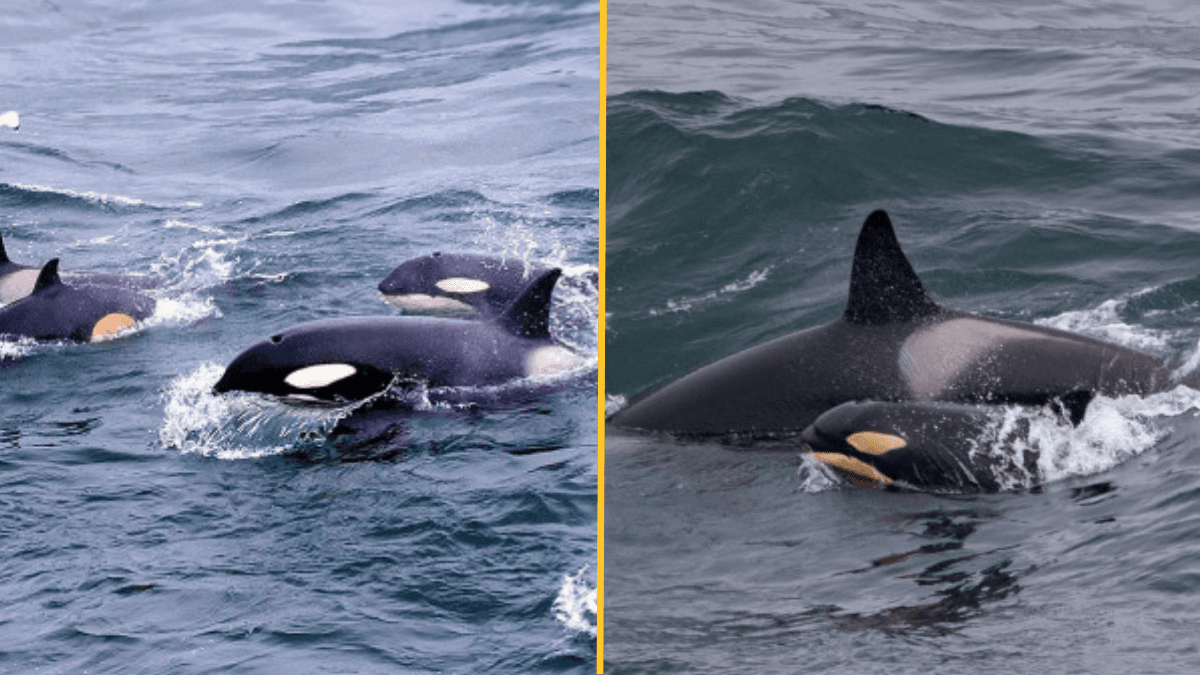
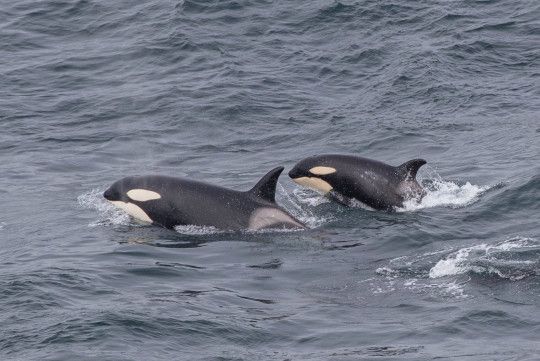
Dr Peter Evans, Director of Sea Watch Foundation, is one of them and he even helped name one of the most notable whales, 'John Coe'. Evans said he was given the moniker after "a character in a book called Mile Zero by Thomas Sanchez about a freed slave who became a student of the sea".
He went on to say: "It seemed a fitting name for this great wanderer of the ocean who must know the waters around Britain and Ireland better than most". Gotta love the enigmatic mystery of old maritime culture.
Science and Conservation Manager, Dr Lauren Hartny-Mills of the HWDT, said: "We are all absolutely thrilled that John Coe and Aquarius have been seen again,’ she said.
She went on to say that "Most of what we know about animals like John Coe and Aquarius [another known female orca] is thanks to dedicated members of the public who send in their sightings and photographs of whales and dolphins to citizen science sightings schemes run by regional charities like Whale Track".
Their work is important as killer whales continue to be threatened from pollution in regional waters and, sadly, this particular pod of orcas may die out in our lifetime.
All marine wildlife is endangered by human activities like climate change, entanglement, pollution; underwater noise and habitat degradation and more. We need to learn more about them and be more conscious of our environmental impact to ensure their survival.

Lifestyle

Lifestyle

Lifestyle

Lifestyle
The UK’s coolest places to live have been revealed
Time Out has named the UK’s coolest places to live, eat and hang out Time Out has revealed its annual ranking of the UK’s coolest neighbourhoods, highlighting the places making waves for their independent businesses, lively food and drink scenes and cultural offerings. The list was compiled with help from the publication’s nationwide network of […]
Lifestyle
1 week ago
Bank of Mum and Dad has opened a new branch – on the driveway
Parents are spending more than £500 a year helping their kids use the family car The Bank of Mum and Dad has long helped young Brits get onto the property ladder – but now it seems to have opened a new branch on the family driveway. New research from Compare the Market reveals parents are […]
Lifestyle
1 week ago
Save 65% on this Dual Basket Air Fryer with Touchscreen
Lifestyle