




Coronavirus

Share
Published 13:04 23 Jul 2021 BST
 Via John Cameron on Unsplash[/caption]
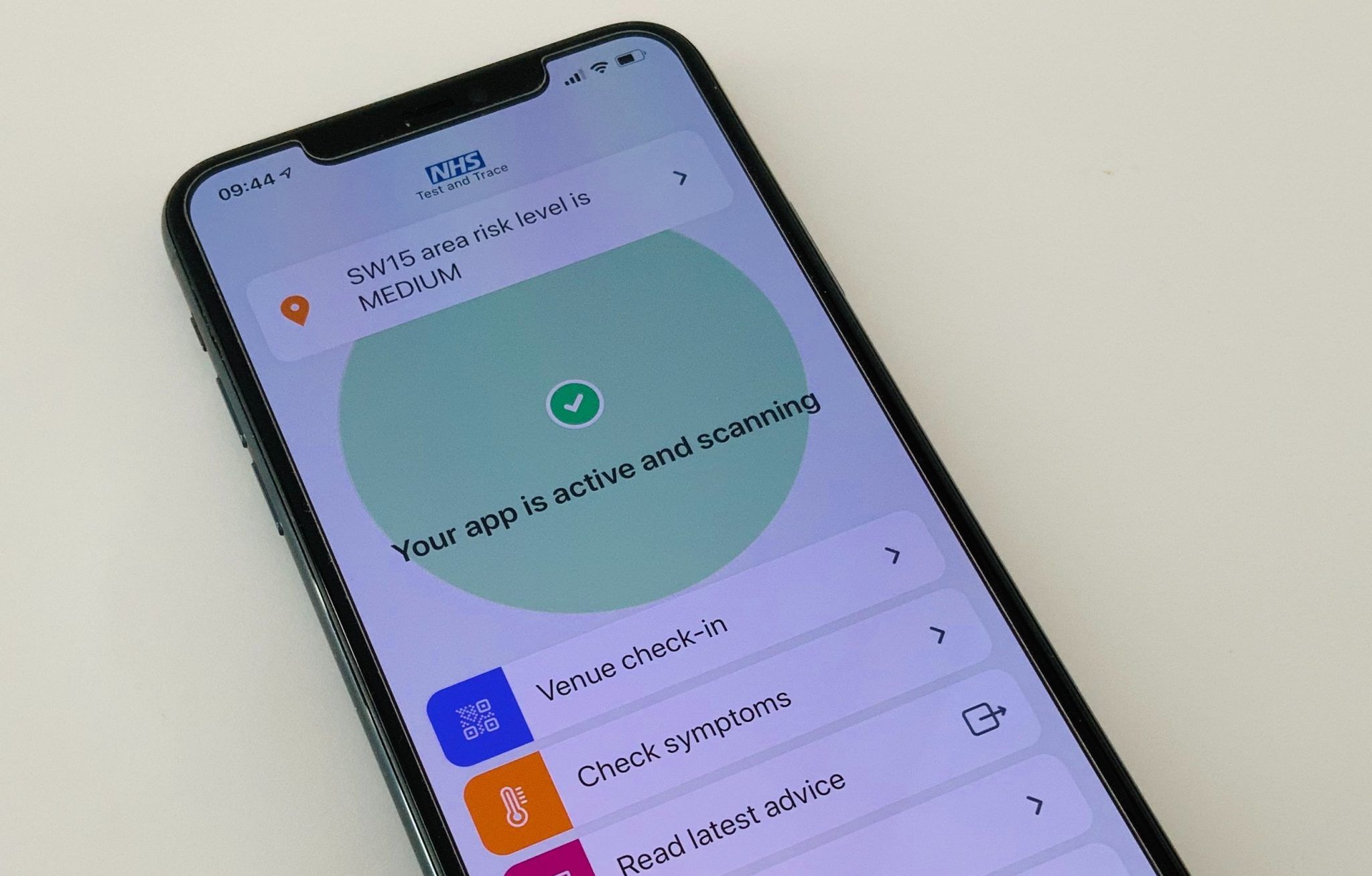
Sometimes record numbers are small and seem almost uneventful. This one is not. Over 600,000 people were pinged by the NHS app in one week - the highest ever toll of its kind.
In the most recent figures available, from 14 July, 618,903 people were pinged over the course of a week. This figure is for England and Wales, but England alone was responsible for 607,486 of those pings, so it's less the United Pingdom and more... Pingland?
Plus, the figure is a 16.8 percent increase on the figure recorded for England in the previous week, a whopping 520,194 pings, as reported by Sky News. Is anyone else really starting to hate the word ping?
Via John Cameron on Unsplash[/caption]
Sometimes record numbers are small and seem almost uneventful. This one is not. Over 600,000 people were pinged by the NHS app in one week - the highest ever toll of its kind.
In the most recent figures available, from 14 July, 618,903 people were pinged over the course of a week. This figure is for England and Wales, but England alone was responsible for 607,486 of those pings, so it's less the United Pingdom and more... Pingland?
Plus, the figure is a 16.8 percent increase on the figure recorded for England in the previous week, a whopping 520,194 pings, as reported by Sky News. Is anyone else really starting to hate the word ping?
 Via Getty[/caption]
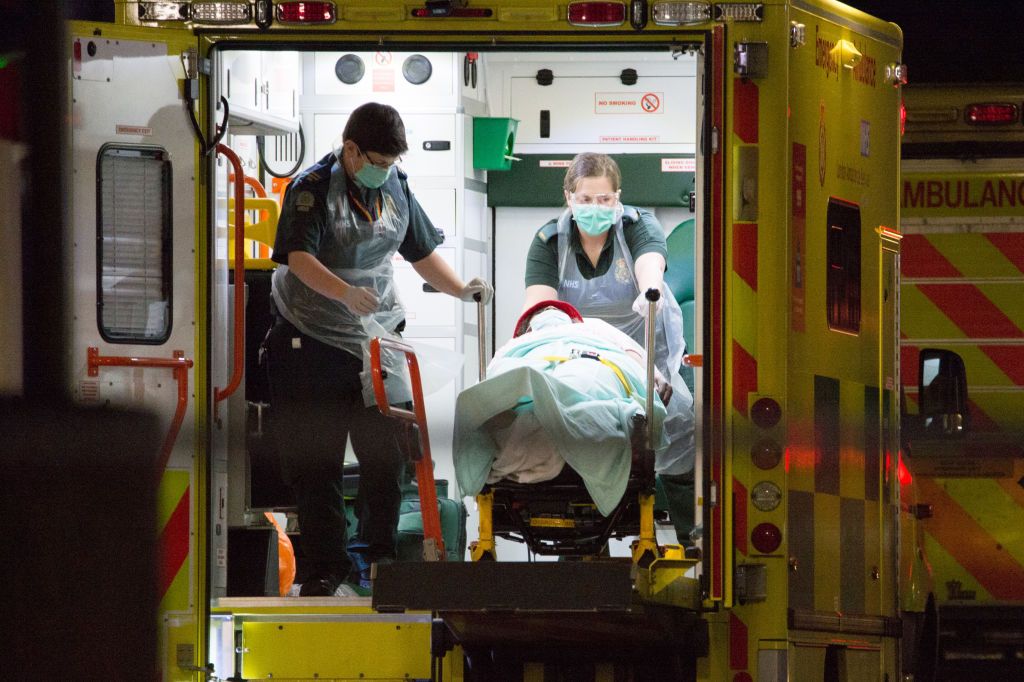
Deaths increased by 50 percent this week, from 49 last Wednesday to 73 this Wednesday, July 21 - the highest daily figure we've seen since March 24.
Not only that, but over 39,000 people tested positive for coronavirus on Thursday, only a slight drop on Wednesday's total of 44,104. And, we know there's a lag in cases and deaths after restrictions change too, so that's not even fully taking into account Freedom Day!
Via Getty[/caption]
Deaths increased by 50 percent this week, from 49 last Wednesday to 73 this Wednesday, July 21 - the highest daily figure we've seen since March 24.
Not only that, but over 39,000 people tested positive for coronavirus on Thursday, only a slight drop on Wednesday's total of 44,104. And, we know there's a lag in cases and deaths after restrictions change too, so that's not even fully taking into account Freedom Day!
 Via Getty[/caption]
According to coronavirus data from Public Health England (PHE), the period following July 18 showed the highest ever figures of Covid infections in 20-29-year-olds in England since mass testing was introduced. So if you keep thinking to yourself, "Why do all of my mates seem to have Covid right now?", that's because they probably do.
Moreover, we're not even topping our own charts - but every chart. This is the highest case rate EVER. As PHE stated: "This is the highest case rate recorded, since mass testing began, in the pandemic for any age group".
On the plus side, this age group all seem to be absolutely full to the brim with antibodies anyway (nine in ten).
Via Getty[/caption]
According to coronavirus data from Public Health England (PHE), the period following July 18 showed the highest ever figures of Covid infections in 20-29-year-olds in England since mass testing was introduced. So if you keep thinking to yourself, "Why do all of my mates seem to have Covid right now?", that's because they probably do.
Moreover, we're not even topping our own charts - but every chart. This is the highest case rate EVER. As PHE stated: "This is the highest case rate recorded, since mass testing began, in the pandemic for any age group".
On the plus side, this age group all seem to be absolutely full to the brim with antibodies anyway (nine in ten).
 Via Getty[/caption]
The Daily Mail reported this week that more than 150 care homes have had at least 20 of their residents die from Covid during the pandemic. For some care homes, such as Calway House in Taunton, this is nearly half of their total capacity, meaning that 50 percent of their residents died from Covid since the start of the pandemic.
The figures were released by the Care Quality Commission, which oversees standards within care homes and elderly care facilities. Earlier data, obtained by the Office for National Statistics, shows that the second wave of coronavirus was even deadlier than the first for residents in care homes, with over 20,000 deaths in the first wave and over 21,000 in the second.
Via Getty[/caption]
The Daily Mail reported this week that more than 150 care homes have had at least 20 of their residents die from Covid during the pandemic. For some care homes, such as Calway House in Taunton, this is nearly half of their total capacity, meaning that 50 percent of their residents died from Covid since the start of the pandemic.
The figures were released by the Care Quality Commission, which oversees standards within care homes and elderly care facilities. Earlier data, obtained by the Office for National Statistics, shows that the second wave of coronavirus was even deadlier than the first for residents in care homes, with over 20,000 deaths in the first wave and over 21,000 in the second.
 Via Getty[/caption]
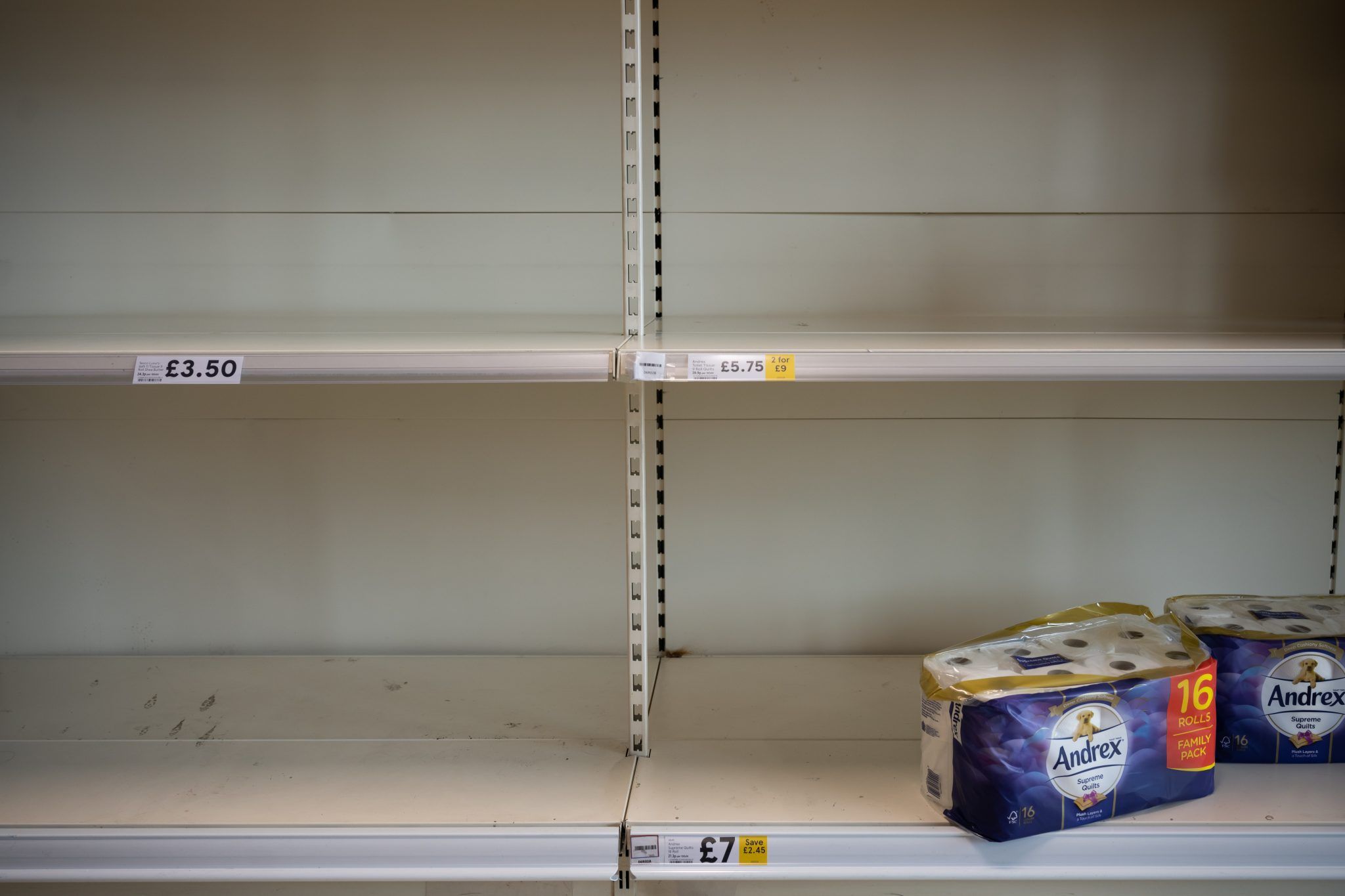
As pictures emerged this week showing empty supermarket shelves across the country, the government announced that up to 10,000 workers would be exempt from self-isolation, to keep food supplies steady. They will self-test instead.
Environment Secretary George Eustice told BBC Breakfast, "We're never going to take risks with our food supply chain," but added that the policy would remain under review, but is a "sensible first step" for the government to take.
The new rules do not apply to supermarket workers on the shop floor, which he said would have been a "really significant undertaking". This is obviously a great move for getting your Petits Filous, pasta, and loo roll supplies in, but not so great for those who have to rock up at work and spend a day alongside 'Dave', who should be isolating but isn't, because the government said he didn't have to.
Transport union boss Mick Lynch, who acts as the general secretary for RMT (National Union of Rail, Maritime and Transport Workers), criticised the move and called for “robust risk assessments and mitigations to be put in place” to protect those in the workplace who will have to work alongside colleagues who should be self-isolating but are not as a result of these exemptions.
Via Getty[/caption]
As pictures emerged this week showing empty supermarket shelves across the country, the government announced that up to 10,000 workers would be exempt from self-isolation, to keep food supplies steady. They will self-test instead.
Environment Secretary George Eustice told BBC Breakfast, "We're never going to take risks with our food supply chain," but added that the policy would remain under review, but is a "sensible first step" for the government to take.
The new rules do not apply to supermarket workers on the shop floor, which he said would have been a "really significant undertaking". This is obviously a great move for getting your Petits Filous, pasta, and loo roll supplies in, but not so great for those who have to rock up at work and spend a day alongside 'Dave', who should be isolating but isn't, because the government said he didn't have to.
Transport union boss Mick Lynch, who acts as the general secretary for RMT (National Union of Rail, Maritime and Transport Workers), criticised the move and called for “robust risk assessments and mitigations to be put in place” to protect those in the workplace who will have to work alongside colleagues who should be self-isolating but are not as a result of these exemptions.
 Via Getty[/caption]
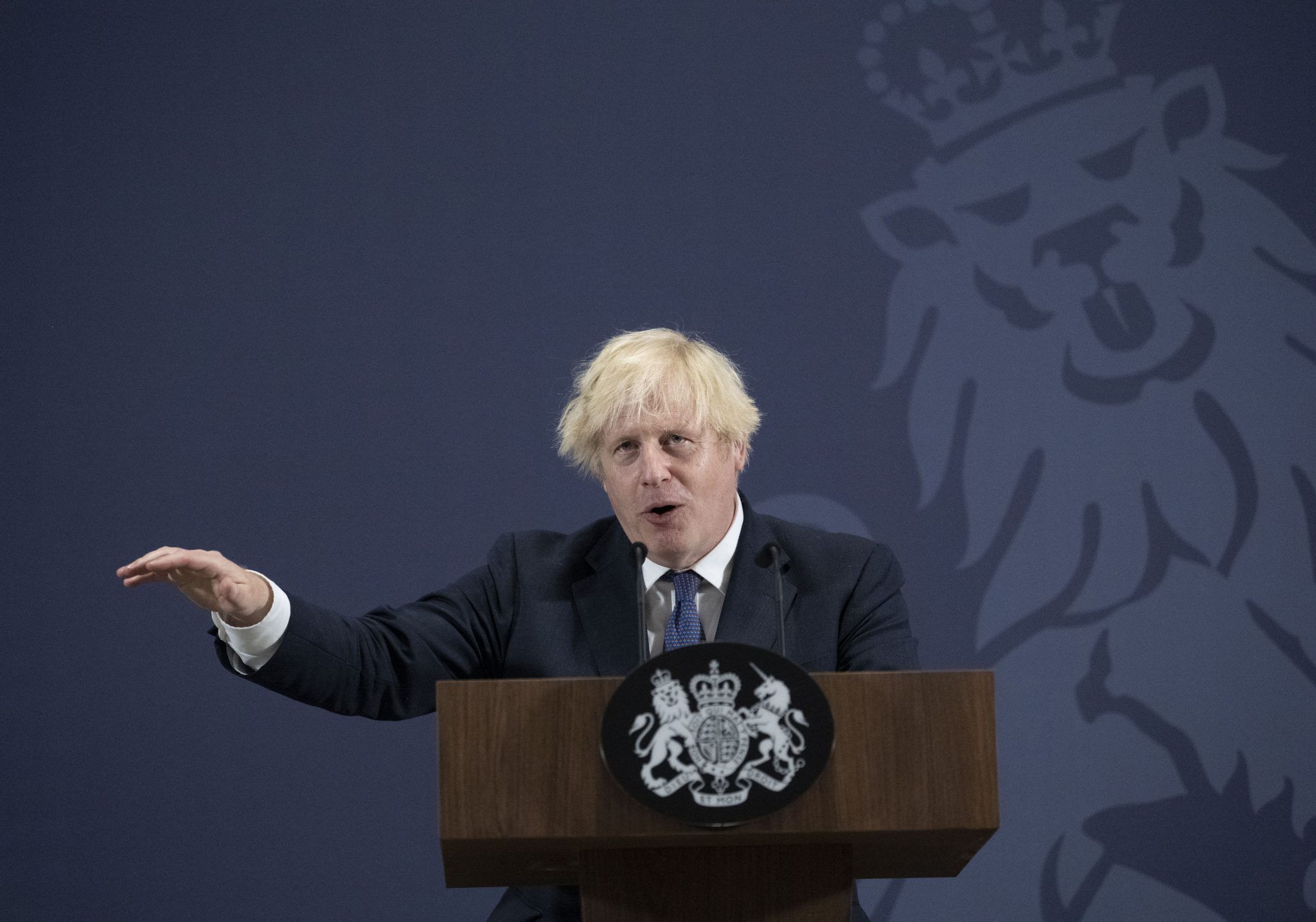
Nothing quite says Freedom Day (or Freedom Week) like the government reversing the £20-a-week universal credit boost given during the first lockdown, meaning that the families who need it most are expected to lose out to the tune of £1,040 a year.
The planned cut to social security has been described as the biggest since World War II, and criticised by a leading think tank as "devastating for millions of families".
The Joseph Rowntree Foundation told The Independent they forecasted around half a million families being pulled into poverty as a result of the change, including 200,000 children.
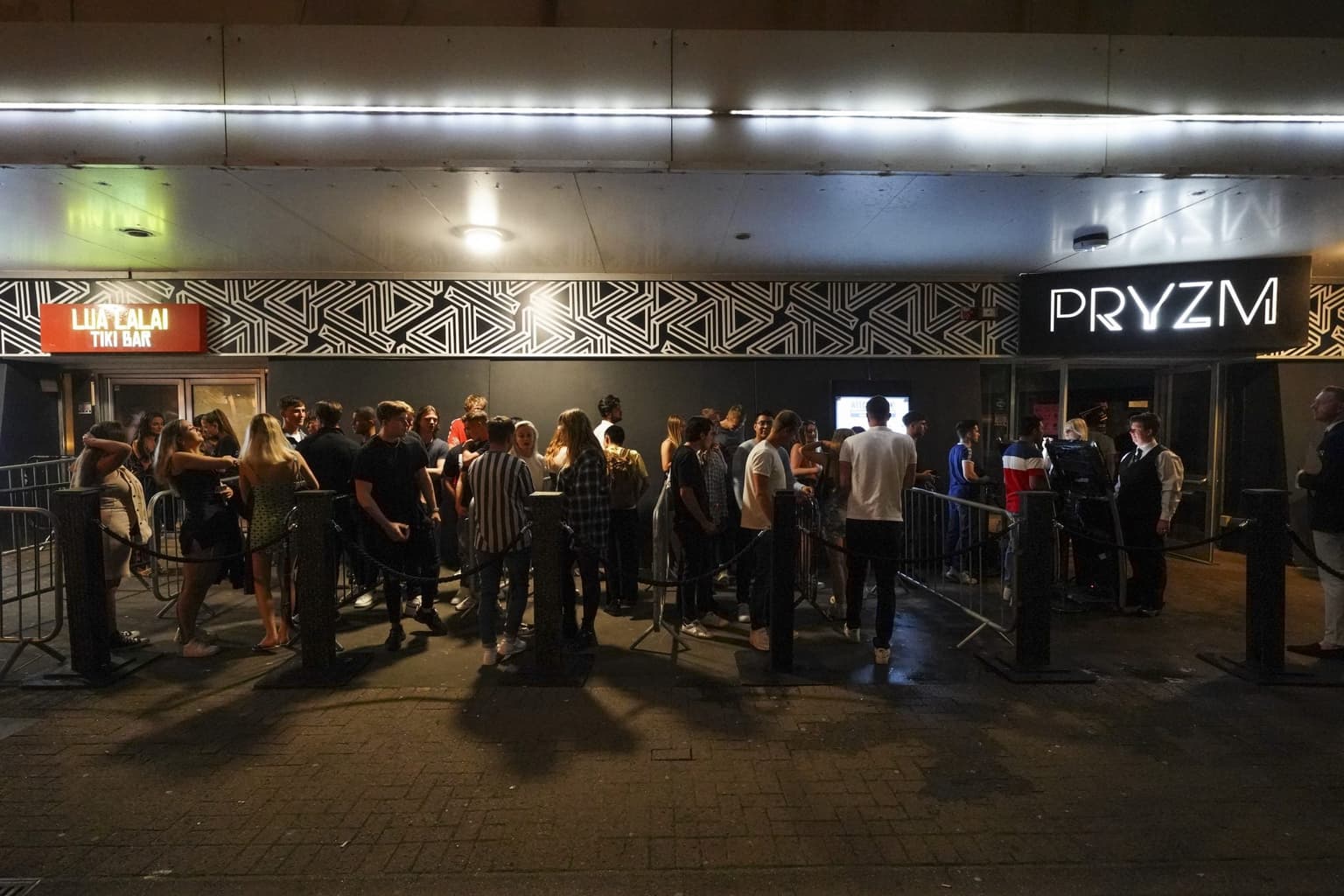
These stats aren't filling you with confidence, are they? But hey, at least we can go to clubs, right! There's always a silver lining on Hell Island, but Freedom Day might have just made it all the more hellish.
Via Getty[/caption]
Nothing quite says Freedom Day (or Freedom Week) like the government reversing the £20-a-week universal credit boost given during the first lockdown, meaning that the families who need it most are expected to lose out to the tune of £1,040 a year.
The planned cut to social security has been described as the biggest since World War II, and criticised by a leading think tank as "devastating for millions of families".
The Joseph Rowntree Foundation told The Independent they forecasted around half a million families being pulled into poverty as a result of the change, including 200,000 children.
These stats aren't filling you with confidence, are they? But hey, at least we can go to clubs, right! There's always a silver lining on Hell Island, but Freedom Day might have just made it all the more hellish.Explore more on these topics:
Coronavirus

Coronavirus
Coronavirus
Coronavirus
Matt Hancock offers excuse for covid breach kiss on I’m A Celeb but gets brutally mocked
‘I resigned it’s no excuse but I fell in love, right? Matt Hancock attempted to justify his covid rule breaching affair with Gina Coladangelo on I’m A Celebrity on Thursday night – but got absolutely rinsed in the process. The former heath secretary was caught out on CCTV canoodling with his aide at the Department […]
Coronavirus
4 years ago
Petition to remove Matt Hancock from I’m a Celeb gets thousands of signatures
‘His appearance will cause real pain and anguish to those who lost loved one’ A petition calling for Matt Hancock to be removed from the upcoming series of ‘I’m A Celebrity…Get Me Out of Here!’ has racked up thousands of signatures in just a matter of hours. On Tuesday, it was revealed that the former […]
Coronavirus
4 years ago
Horror as elderly man pulled from body bag alive moments before he was due to be cremated in China
Coronavirus